Raja Ampat: The Highlights
Published on 15 Jan 2026
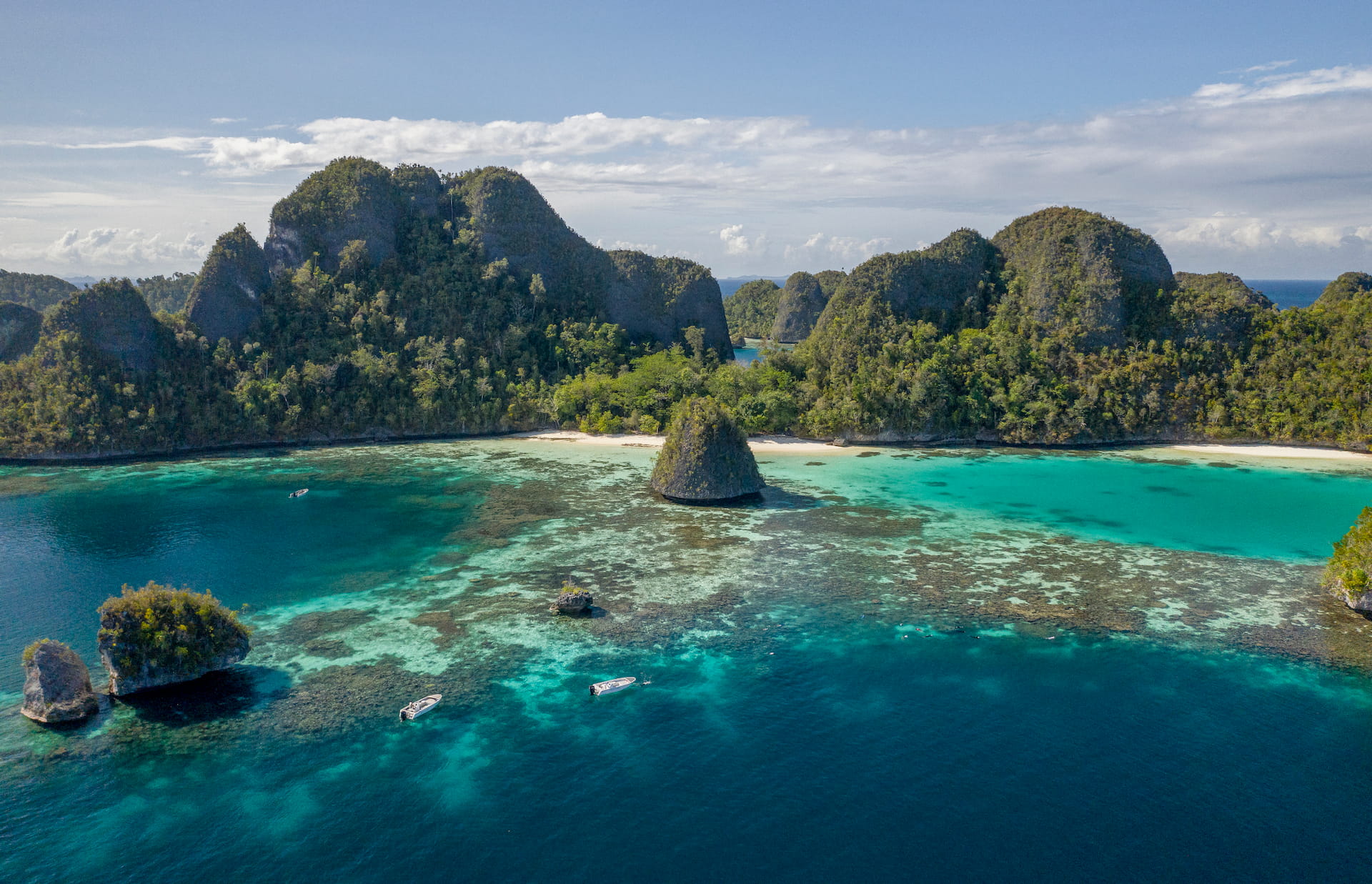
There’s a moment, somewhere between your first glimpse of turquoise water and the realisation of just how remote and untouched it feels, when you understand Raja Ampat isn’t just another tropical island group. It’s something older, wilder, more untouched than almost anywhere else you’ve been. Over 1,500 islands scattered across the top of West Papua create a maze of coral gardens, hidden lagoons and forested peaks that shelter the richest marine life on the planet.
For travellers who’ve already ticked off the world’s usual highlights, Raja Ampat offers something rarer: a landscape that still feels wild, encounters you can’t find anywhere else, and underwater scenes so vivid they’ll change what you think coral reefs can look like. This is where biodiversity reaches its peak, where village culture is still part of everyday life, and where adventure happens at a pace that lets you actually take it all in.
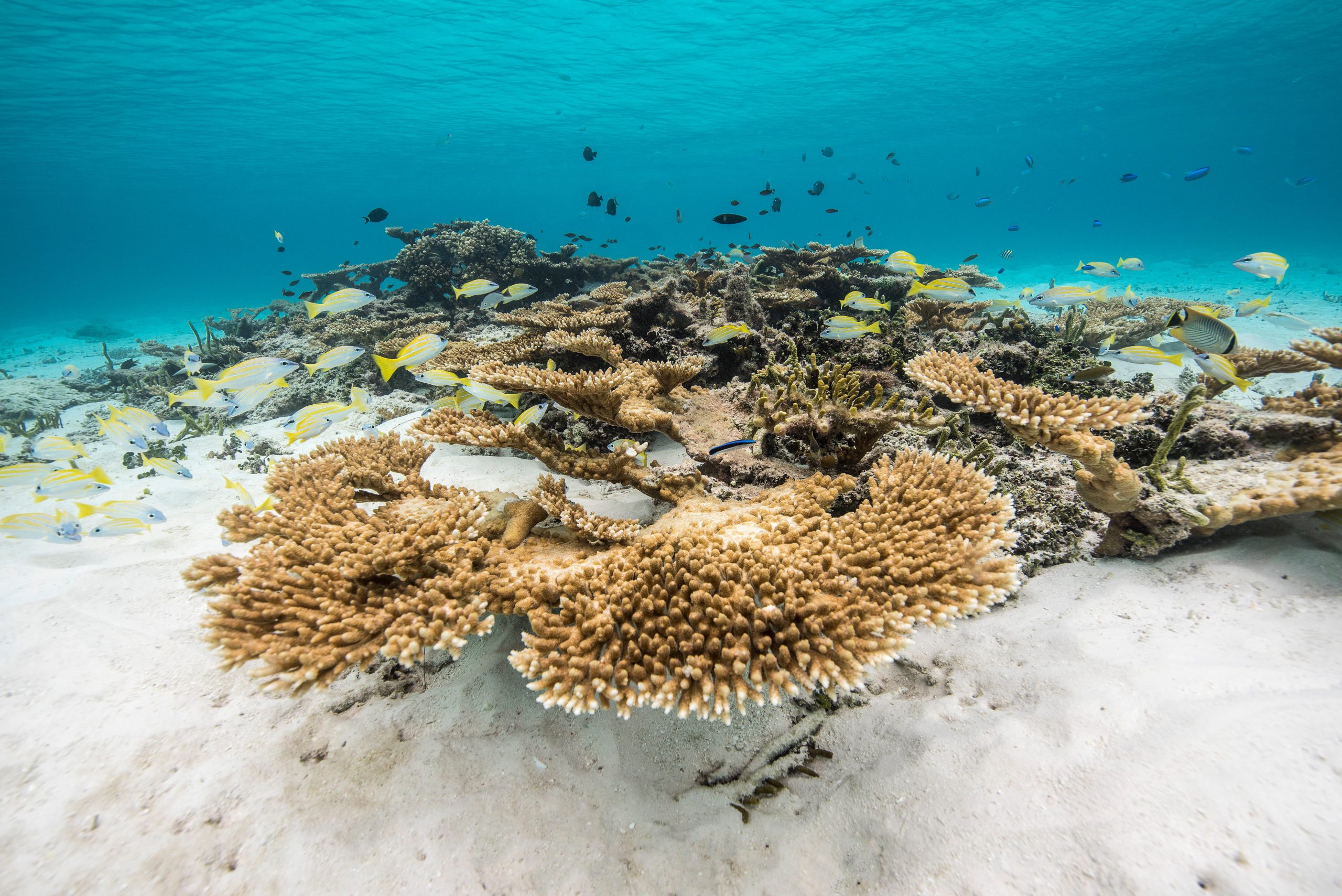
If you’ve dived or snorkelled in tropical waters before, you probably think you know what a healthy reef looks like. Raja Ampat will prove you wrong in the best possible way.
Raja Ampat sits right in the middle of the Coral Triangle, a huge stretch of tropical waters from Indonesia to the Philippines and down to the Solomon Islands. This region is the world centre for reef life, with nearly 600 coral species and more than 2,000 reef fish species calling it home. And within that already incredible area, Raja Ampat sits at the very top for species numbers.
The statistics are impressive, but they only tell part of the story. What really matters is what you actually see when you slip into the water. Picture coral walls in every shade of purple, orange and yellow stretching as far as you can see. Imagine fish moving in such thick clouds they block out the sun for seconds at a time. You get the feeling that every single bit of reef is alive with something you’ve never encountered before. That sheer amount of life is honestly what makes Raja Ampat different from anywhere else on Earth.
Oceanic manta rays are the undeniable stars here, gliding through cleaning stations and feeding channels with a weightless elegance. Research from Macquarie University shows that the calm lagoons around Wayag act as a nursery for young mantas – so you’re likely to see them, not just hope for a glimpse. Watching a juvenile manta cartwheel above pristine coral is the kind of moment that stays with you long after you’ve dried off.
Whale sharks are a different story. They do appear in Raja Ampat, but the most reliable sightings are in nearby Cenderawasih Bay, where fishing platforms create predictable feeding spots.
The dive sites that make Raja Ampat famous are as varied as the marine life they support, and each one offers something different. Misool’s soft-coral gardens cover walls and peaks in bright purples and reds that look almost artificial in their intensity. Sites like Boo Windows and Nudi Rock are packed with tiny creatures that keep underwater photographers completely absorbed for entire dives. Wayilbatan Channel offers exciting drift dives where the current carries you over hard coral ridges full of fusiliers and snappers, all while you barely have to kick. Then there’s the drift snorkelling in Wayag’s lagoons, where you can float easily above coral gardens in water so clear it genuinely feels like flying.
These aren’t just random spots on a dive map. They’re carefully chosen sites that show off different sides of Raja Ampat’s underwater world, from the big fish action to the tiny, hidden creatures that make macro photographers lose track of time.

The underwater scenes are what Raja Ampat is famous for, but what’s above the surface is just as jaw-dropping.
Above the water, Raja Ampat’s limestone landscape creates scenes that look like they’re straight from a fantasy novel. Wayag’s limestone towers, often called “beehive islands,” rise in rounded peaks from lagoons of impossible blue. There’s something about seeing it with your own eyes that photos just can’t capture.
Hidden throughout the islands are cave systems and narrow channels that feel like secret passages. Limestone walls rise up on either side, and light filters through in shafts that light up the water below in pools of turquoise and emerald. Around Tomolol and Farondi, these rock formations create their own little worlds. They’re quiet spaces where you can paddle a kayak in near-silence, with only the occasional splash of a jumping fish or the call of a hornbill above to break the peace.
Not all of Raja Ampat’s best bits are at sea level, and some of the most memorable moments happen on solid ground. Harfat Peak on Misool offers sweeping views across lagoons and surrounding islands, the kind of scene that makes you want to stand still for a while and just take it in. These guided walks aren’t brutal climbs, but they do need a bit of scrambling over limestone and tree roots. What you get at the top makes every bit of effort worth it. You see the true scale of the island group, how it spreads out in every direction, and you get a view you simply can’t experience from the water.
The best viewpoints are usually reached early in the morning, before the heat sets in. There’s something genuinely special about watching sunrise over hundreds of forested islands, the water changing from grey to turquoise as the sun comes up. It makes the early alarm more than worth it.
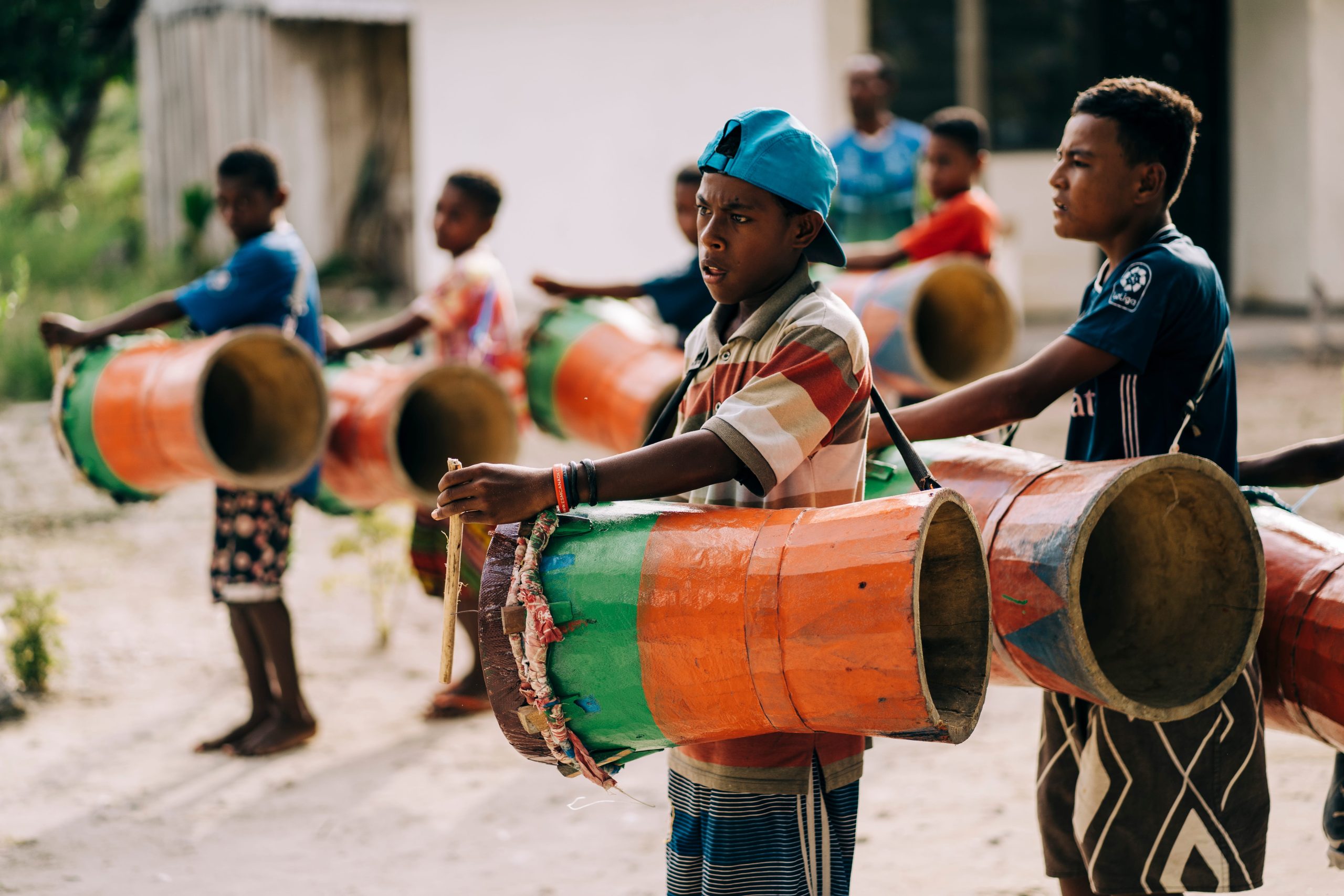
Beyond the reefs and the peaks, Raja Ampat has a human story that’s been unfolding for thousands of years.
Raja Ampat’s human story is every bit as interesting as its natural one, and it adds a layer of depth that pure nature destinations often lack. The islands have been home to Papuan communities for thousands of years, and that presence is still very much alive in villages scattered across the region. Sawingkrai Village offers guided jungle walks where you can see the red bird of paradise in its natural home, a creature so bright and unusual it seems impossible that it evolved this way. The males are particularly stunning, with crimson plumage that stands out dramatically against the green forest backdrop.
These visits are done with real respect and care, which makes all the difference. Small groups keep the impact low, while expert guides understand both the wildlife and the local customs. The focus stays on watching rather than disturbing. It’s the kind of experience that reminds you exactly why responsible travel matters, and why protecting these places means protecting the communities that’ve lived here for generations.
Travel through West Papua often brings you into contact with traditional performances and local crafts, and these encounters add richness to the journey. These are parts of Papuan culture that have been passed down through generations, kept alive through practice and teaching. While not every trip includes a specific cultural show, voyages that pair Raja Ampat with wider explorations of the region often include these meaningful exchanges. The craftsmanship is genuinely impressive when you see it up close. Intricately woven baskets show patterns that take years to master. Carved wooden bowls display designs that carry cultural meaning. Textiles are made using techniques that go back long before European contact.
What makes these encounters valuable isn’t the exotic factor. It’s the chance to connect with communities who’ve chosen to share their culture with visitors on their own terms, in their own villages. The tourism money supports local jobs and conservation work in equal measure, creating a model that benefits everyone involved.
Archaeological work on Waigeo has found evidence of ancient seafaring cultures, and it shows the deep human history of these islands in ways that change how you see the place. Raja Ampat wasn’t “discovered” by modern explorers at all. It was home, a trading centre, and a cultural hub for thousands of years before the first European maps showed its position. Understanding this history adds real depth to the experience. Raja Ampat’s wildlife played a key role in shaping Alfred Russel Wallace’s observations that supported the theory of natural selection, revealing a place where human culture and extraordinary biodiversity have been intertwined for millennia.
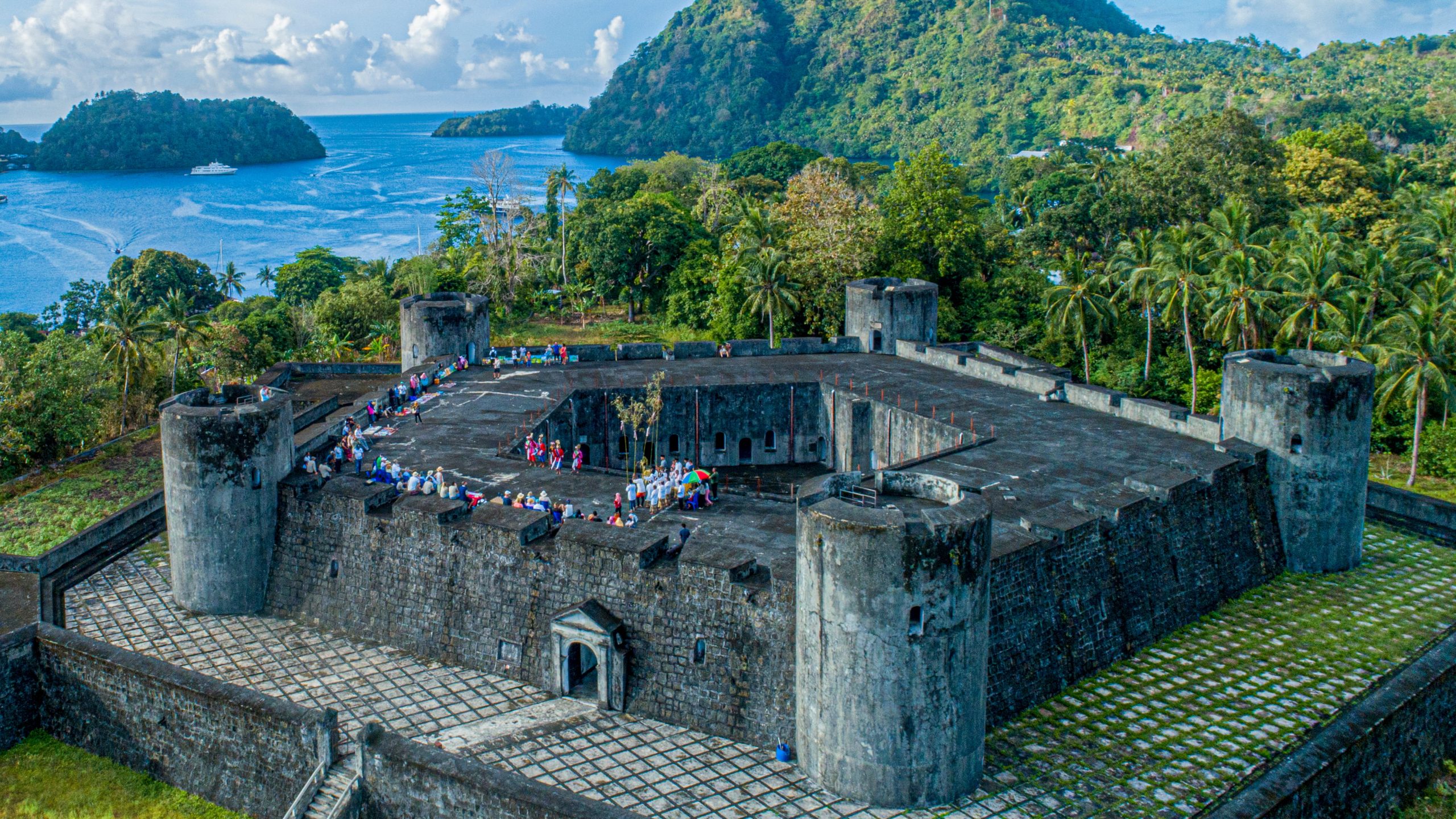
Whether you’re a serious diver or someone who just loves being near water, Raja Ampat has ways to meet you where you are.
Raja Ampat’s underwater experiences stretch from calm lagoon drifts to high-energy dive sites where the currents demand respect. What unites them is the calibre of what you’re seeing. Snorkelling here can genuinely rival diving in other destinations – a testament to how healthy these reefs are. House reefs drop into sweeping walls of hard and soft coral, visibility often pushes past 30 metres, and marine life ranges from tiny pygmy seahorses tucked into fans to entire schools of barracuda cruising by in formation.
Drift snorkelling is a particular highlight. You slip in at one end of a channel, let the current carry you over flawless reef, and emerge at the other end having covered ground that would take an hour to swim. It’s effortless in the best way – your attention stays completely on the world below while the water does all the moving for you.
Between dive sites, there’s plenty to do that doesn’t involve getting wet, and the variety keeps things interesting. Adventure boat trips thread through channels too narrow for bigger vessels, showing hidden coves and beaches you can only reach by small boat. These tender excursions often reveal the most secluded spots, places where you can have an entire beach to yourself. Guided walks lead to viewpoints, freshwater pools, and wildlife spotting chances on islands where land animals include monitor lizards, cuscus, and an amazing variety of birds. Each walk offers something different, from coastal scrambles to forest trails.
Even the quiet time is scenic in ways that surprise you. Anchored in a calm bay with limestone cliffs rising on three sides, you can paddleboard across glassy water and watch fish dart beneath you. You can read a book on deck with nothing but the sound of water lapping against the hull. Or you can simply watch the light change as afternoon turns into evening, the way the shadows shift and the colours deepen. The pace of travel in Raja Ampat allows for both action and quiet time, recognising that sometimes the best adventures involve sitting still and letting the place work on you.
Raja Ampat’s calm lagoons have made it famous among sea kayaking fans, and once you paddle here you’ll understand why. Paddling through these still waters offers a completely different view of the landscape, one that’s intimate and detailed. It brings you closer to shoreline details you’d miss from a bigger boat. You see birds nesting in hanging plants, their movements quick and purposeful. Small fish dart in the shallows, creating ripples that catch the light. The detailed textures of limestone worn down by centuries of waves reveal patterns and colours that are surprisingly beautiful.
Kayaking here isn’t about covering distance or tough conditions. It’s about closeness with the environment, the kind of slow travel that shows details rather than big landmarks. A morning spent paddling around Kabui Bay becomes a meditation of sorts. You weave between mushroom-shaped islands that seem to float on the water. You pause to look into shallow caves where the water glows turquoise. These quiet moments can be as memorable as any high-energy activity, sometimes more so.

Every paradise faces threats, and Raja Ampat is no exception. But here, there’s real work being done to protect what makes this place special.
Raja Ampat’s position within the Coral Triangle gives it worldwide importance beyond its already incredible local value, and scientists recognise it as crucial to the future of reef health globally. This is ground zero for coral reef conservation, a place where what happens matters not just for Indonesia but for the entire tropical Pacific. The region’s network of Marine Protected Areas represents one of the biggest conservation efforts in Southeast Asia. It’s a careful balancing act between supporting local jobs and providing long-term protection of reef systems, and so far it’s working.
The designation as a UNESCO biosphere reserve in 2025 recognised what scientists and conservationists have known for years. Raja Ampat works as a living laboratory for reef health, a place where we can study how healthy coral systems respond to challenges from climate change to fishing pressure. Protecting it isn’t just about keeping beauty intact. It’s about protecting genetic variety that could genuinely help reefs elsewhere adapt and survive as conditions change.
Wayag’s role as a manta ray nursery is a perfect example of why conservation practices matter so much, and it shows how protection works in practice. The young rays that grow up in these protected lagoons spread throughout the island group and beyond, adding to breeding populations across the region. It’s a ripple effect that extends far beyond Raja Ampat’s boundaries. Respectful wildlife practices make this possible. Keeping appropriate distances, never touching or chasing marine life, and following guide instructions all directly help the health of these populations. Small actions multiply when every visitor does them.
Recent worries about mining pressures in the area show exactly why every tourism choice carries real weight. When you choose operators who focus on low-impact practices, work with local communities, and contribute to conservation funding, you’re voting for a type of development that doesn’t sacrifice what makes Raja Ampat extraordinary. Your choice matters more than you might think.
Responsible travel in Raja Ampat means more than following rules, though that’s certainly part of it. It’s about recognising that access to these waters is a privilege, one that comes with responsibilities. Low-impact trips that cut down on waste, expert guiding that educates rather than just entertains, and direct support for conservation and community projects all form part of a sustainable approach to exploring this region. These aren’t just nice ideas. They’re practical steps that make a measurable difference.
The idea of redemptive travel fits perfectly here. That’s where tourism actively contributes to positive outcomes rather than just cutting down on harm. Supporting local schools, funding marine research, and making sure tourism money flows to Papuan communities all help make sure that Raja Ampat stays both beautiful and liveable for the people who call it home. It’s tourism that gives back more than it takes.
Timing and logistics matter more here than in most places, given how remote Raja Ampat is.
Raja Ampat is open year-round, but conditions change with the seasons in ways that affect your experience. October through April generally offers the calmest seas and clearest water, making it the peak season for diving and snorkelling. The underwater visibility during these months is often exceptional. The wet season from June through September brings more changeable weather but also fewer crowds and slightly cooler temperatures. Some travellers actually prefer this quieter period despite the increased chance of rain.
Different routes focus on different parts of the island group, so it’s worth understanding what each offers. Some trips concentrate on the northern areas around Wayag and the limestone landscapes that define the region’s above-water beauty. Others focus on the dive sites of Misool in the south, where the soft corals are particularly spectacular. The most complete itineraries cover both, giving you the full picture of what makes Raja Ampat special. Flexibility matters here more than in most places. Routes often change based on weather and sea conditions to make sure you’re always experiencing the islands at their best rather than fighting the elements.
Getting to Raja Ampat needs multiple flights, permits, coordination with local authorities, and an understanding of conditions that change with tides, seasons, and weather. It’s complicated in ways that can quickly become overwhelming if you’re trying to manage it yourself. For travellers who value their time and want to focus on experience rather than logistics, having all of that handled by experts who know these waters inside out makes a huge difference. You skip the stress and move straight to the good parts.
Small-group exploration with adventure boats that can access shallow lagoons and narrow channels opens up areas that bigger vessels simply can’t reach. Combined with guides who know where the manta cleaning stations are active right now, which reefs are blooming with soft coral at the moment, and when conditions are right to try the climb to a particular viewpoint, you get an experience that feels both smooth and deeply connected to place. That local knowledge is impossible to replicate.
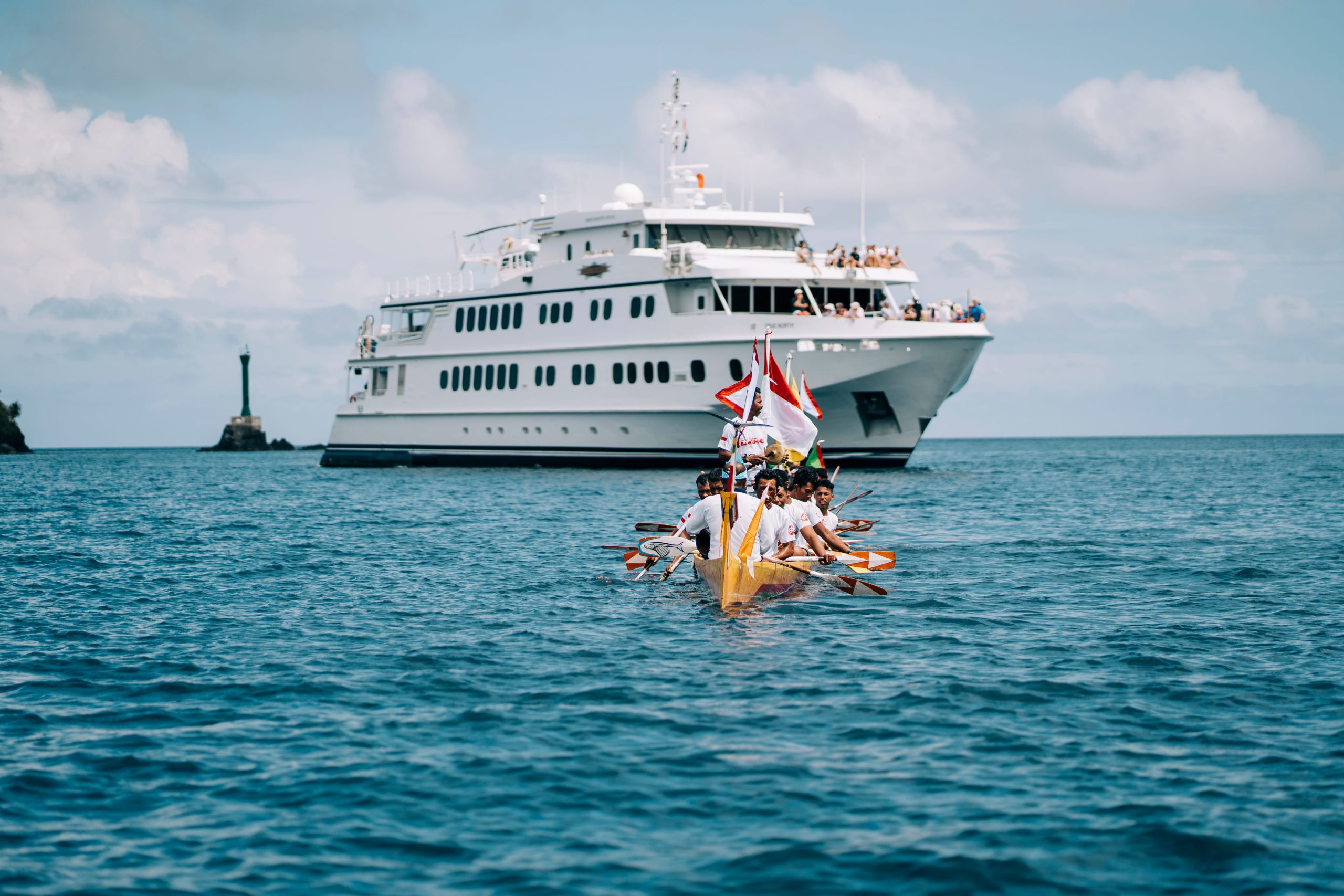
The Raja Ampat highlights aren’t just a collection of beautiful sites you can tick off a list. They represent something increasingly rare: a working tropical system at a scale that lets natural processes continue mostly uninterrupted. This isn’t a place you rush through in a weekend. Raja Ampat needs time, attention and a willingness to let the place work on you. What you get in return is the kind of travel that changes what you think wild places should look and feel like, an experience that resets your baseline for what’s possible when nature is allowed to thrive.
For those ready to explore Indonesia’s most biodiverse waters with expert guidance and smooth logistics, a Raja Ampat cruise offers access to sites, encounters, and perspectives that independent travel simply can’t match. True North’s small-ship expeditions combine adventure boat exploration, expert guiding and a commitment to responsible travel across Raja Ampat and broader Indonesia cruise routes throughout West Papua.
Here’s what makes True North different. Our adventure boats slip into lagoons and channels that bigger vessels can’t reach, so you’re actually in it—exploring caves by tender, drift snorkelling through narrow channels, and landing on beaches that see maybe a handful of other visitors each season. Our guides genuinely know these waters, spending years learning which cleaning stations the mantas prefer and which reefs are showing their best colour. We work directly with Papuan communities and support conservation efforts across the region, and our broader Indonesia cruise routes let you combine Raja Ampat with other parts of West Papua for the full story.
The water is waiting, clear and impossibly blue. The question is only when you’ll answer.

Swift Bay is the kind of place that makes you feel like an explorer. Cliffs tower over the water, rock shelters hide ancient art, and every turn feels like you’re discovering something new.
Read more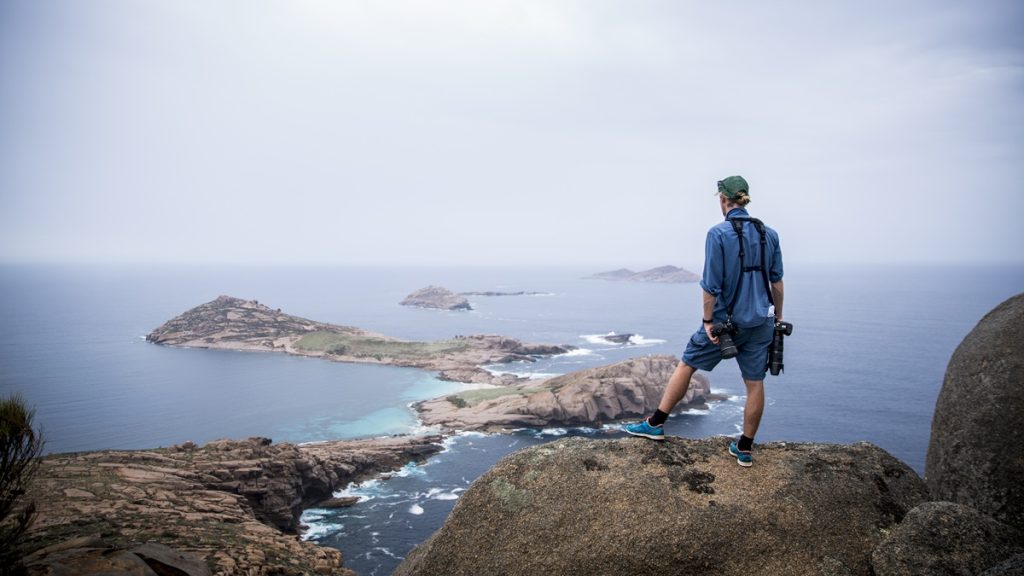
Great photography comes down to access. Being in the right place at the right time with the freedom to move. True North makes that possible.
Read more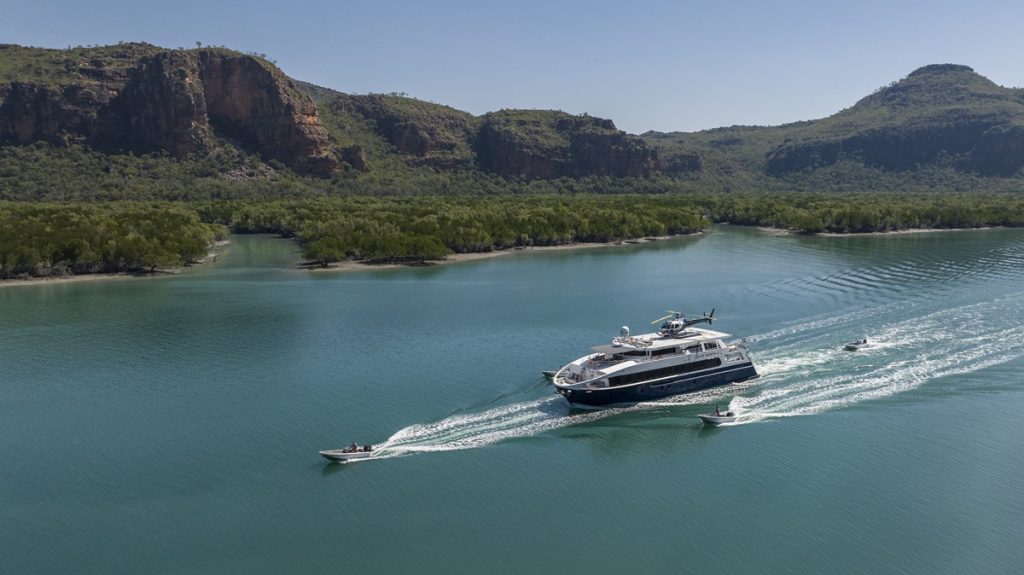
There’s no better way to take in the Kimberley than from the water. Towering cliffs, winding rivers, and waterfalls that spill straight into the sea—it’s all right there, just beyond the deck. The tide sh...
Read more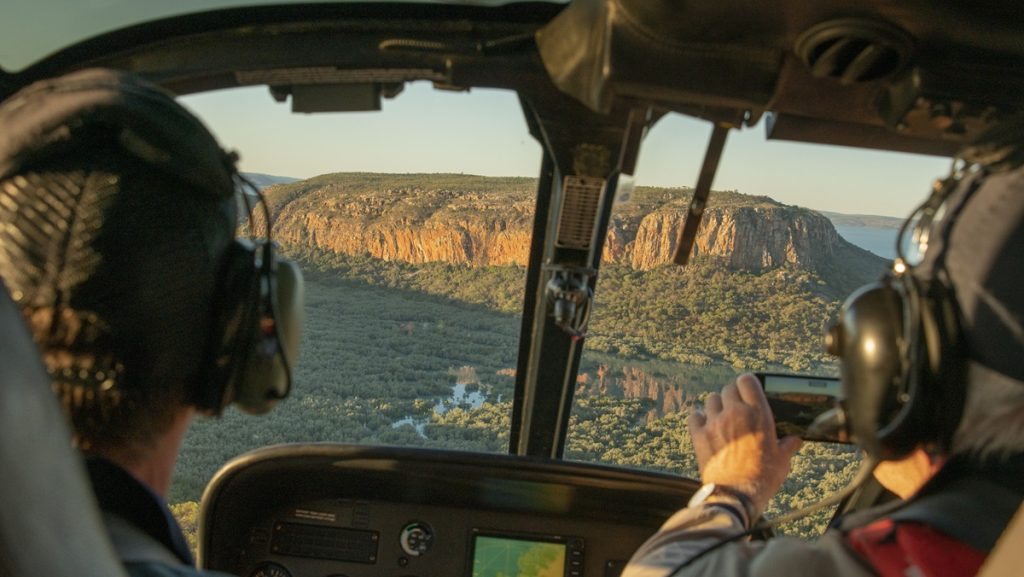
The Kimberley is vast, remote, and largely untouched. Not many people can say they have seen it from the air, but those who have know it offers a completely different perspective.
Read moreMontgomery Reef is one of those places that makes everyone say the same thing what is going on here? One minute, it’s just open ocean. Then, as the tide drops, the water starts rushing away, and this massive ...
Read more