Port Lincoln: The Highlights
Published on 12 Jan 2026
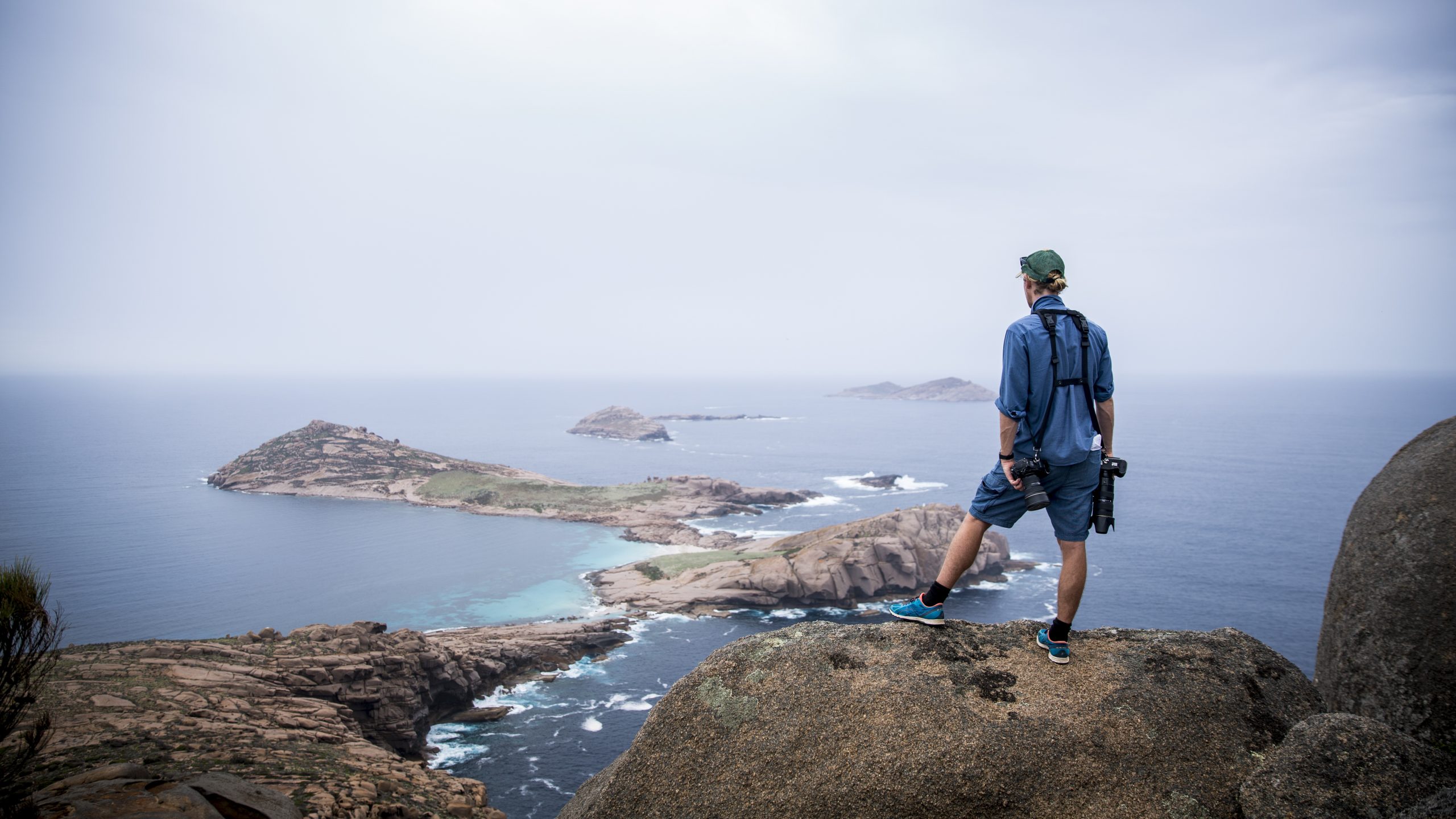
You know that feeling of wanting a holiday that’s both wildly adventurous and deeply luxurious? Where you can have your heart pound in the morning and sip exceptional wine by the evening?
Welcome to Port Lincoln, a place that refuses to be put in a box. Australia’s seafood capital isn’t just a title – it’s a promise of a destination where the Southern Ocean delivers drama on a grand scale, from wind-sculpted dunes to encounters with the ocean’s most majestic predators. This is where you can find yourself cage diving with great white sharks in the morning and enjoying freshly shucked oysters with a glass of cool-climate wine by sunset.
Nestled on Boston Bay, the largest natural harbour in Australia, Port Lincoln is the engine room of the nation’s fishing industry. At dawn, trawlers unload tuna, divers prep for abalone runs, and the town hums with salty purpose.
But the real magic lies beyond the docks – in wild marine encounters, expansive national parks, and food experiences that remain world-class yet refreshingly uncrowded. This is the place for travellers who want the extraordinary, without the crowds.
Let’s be honest: you’re not here to just look at the water from a safe distance. You’re here to get in it. Port Lincoln’s marine encounters are for those who believe the best memories come with a dose of adrenaline and the salty taste of sea spray.
These are hands-on, sometimes heart-pounding adventures that place you directly alongside some of the ocean’s most compelling creatures. It’s the difference between watching a wildlife documentary and feeling the visceral thrill of being in the water when a three-metre shark glides past your cage. It’s the kind of moment that resets your understanding of what “wild” actually means.
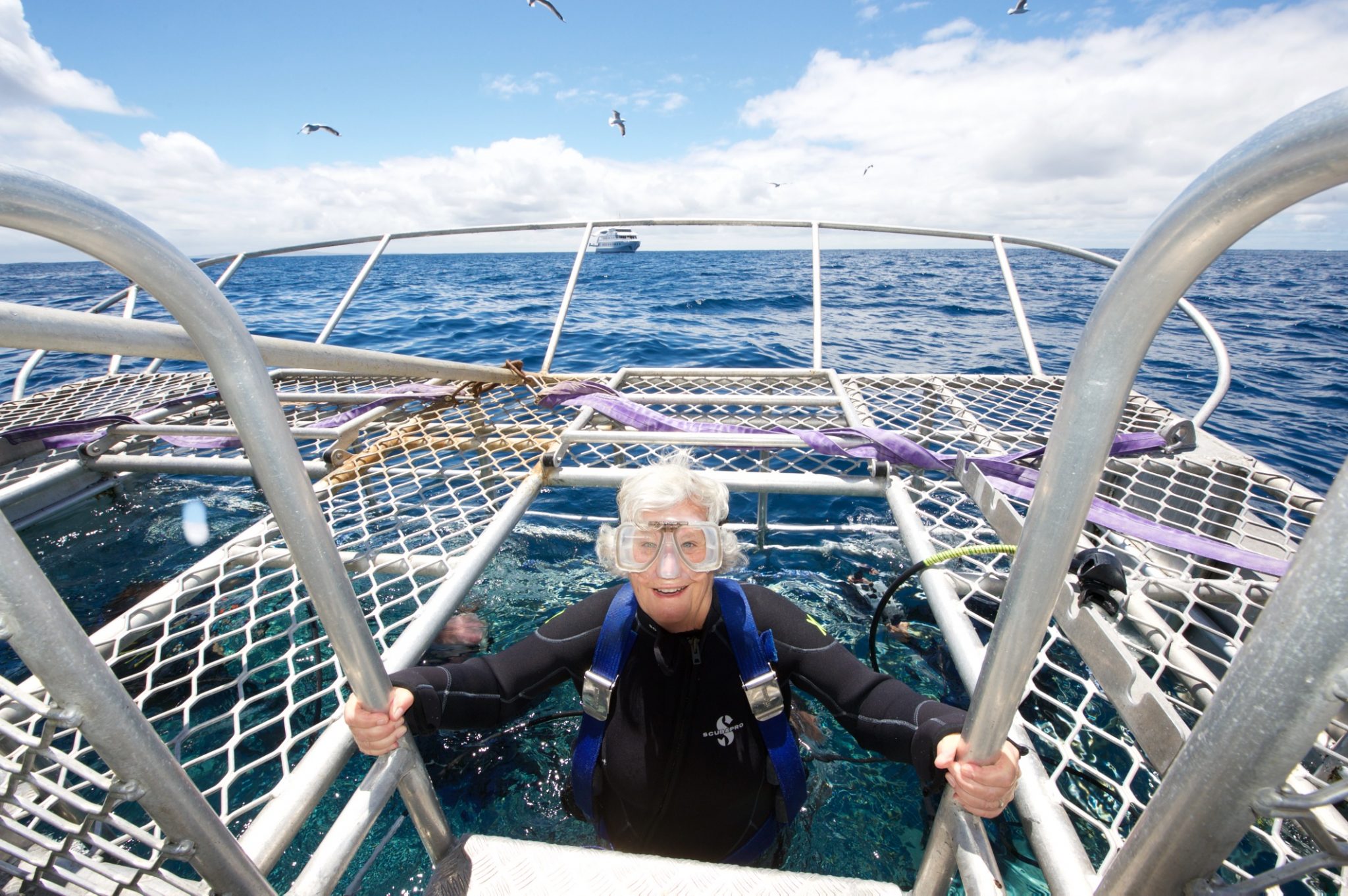
Have you ever had a moment that completely recalibrated your understanding of ‘wild’? For many, it’s the moment a three-metre great white shark materialises from the deep blue, gliding past the cage with a power that is both terrifying and awe-inspiring. The Neptune Islands are one of the few places in the world where you can reliably encounter these magnificent predators in their natural environment.
Then the cage drops, and you enter a world usually reserved for marine scientists. Seeing a great white up close is unforgettable: not just for its size, but its silent grace and unnerving intelligence. It’s not just its size, but its effortless grace and undeniable intelligence. The way it observes you, calculating and curious, is a humbling experience that sits with you long after you’ve dried off. It’s the ultimate bragging right, and a potent reminder of your place in the natural world.
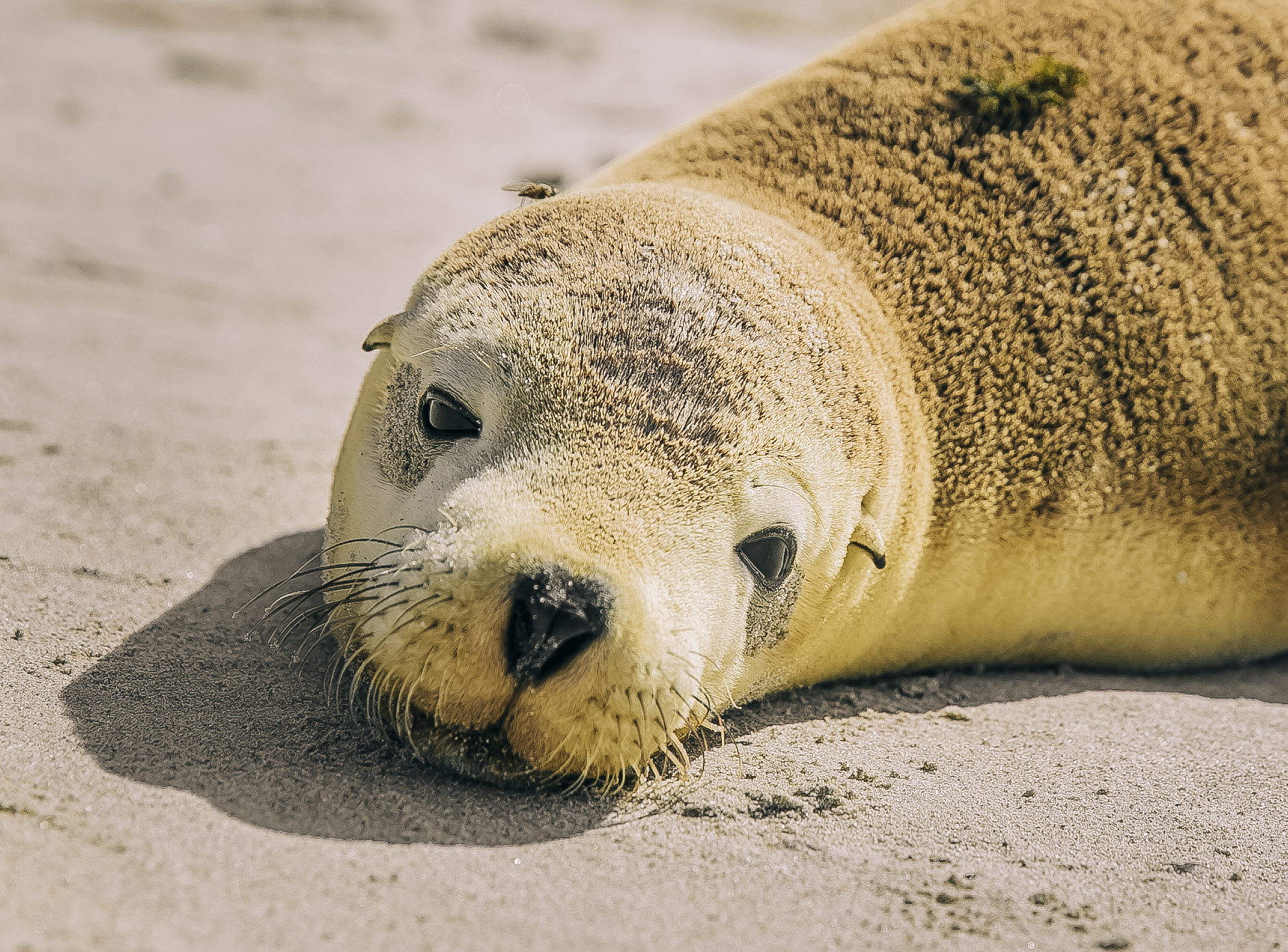
If adrenaline isn’t your style, swimming with Australian sea lions offers pure, joyful connection. Found only in local waters, these curious, puppy-like creatures love to interact – especially around Hopkins, Grindal, and Blyth Islands.
Slip into the clear water and you’re often greeted within minutes. Sea lions perform flips, blow bubbles, and gently tug at your fins, watching you with wide, intelligent eyes. Pups are the boldest, treating swimmers like new toys.
Agile and graceful, they glide through kelp forests with ease. Encounters are passive and respectful – no chasing, just shared curiosity. On a clear day, watching an entire pod play underwater is pure, unscripted magic.
There’s something magical about an encounter you didn’t pay to schedule. As you cruise the coastline of Lincoln National Park or through the scenic Thorny Passage, pods of bottlenose dolphins often appear as if from nowhere, racing alongside the bow and leaping as if purely for the joy of it. These aren’t trained performers; they’re wild animals choosing to interact, which makes the moment all the more special.
Port Lincoln’s wildlife shifts with the seasons. In winter (June – September), southern right whales use the bays as nurseries, while sea eagles and ospreys soar overhead. Come summer, thousands of shearwaters arrive in dramatic flocks from the northern hemisphere.
These encounters aren’t guaranteed – and that’s the magic. They happen on nature’s terms, making each one feel like a gift.
Port Lincoln isn’t just called the seafood capital – it is. No other Australian port produces more by value, but the real story unfolds on the water.
Taste oysters fresh from the lease in Coffin Bay, or talk tuna with farmers who speak like sommeliers. For true gourmets, this is where ocean-to-plate is more than a phrase – it’s the daily rhythm of life.
Imagine pulling on a pair of chest waders, walking into the cool, clear water of Coffin Bay, and tasting an oyster that’s shucked and handed to you right there, with the lease it grew on just metres away. The flavour is a revelation – clean, mineral, and impossibly fresh. It’s the taste equivalent of hearing a symphony live after only ever hearing it on the radio. Coffin Bay’s protected, nutrient-rich waters produce oysters with a distinctively crisp and clean flavour profile that has earned them international acclaim.
Several farms offer these incredible wader tours, where guides explain the three-year growing cycle from microscopic spat to a plate-ready oyster. They’ll demonstrate the art of shucking and explain how the unique tides and water temperature shape the ultimate taste.
The difference between an oyster consumed within minutes of harvest and one that’s travelled through a supply chain is remarkable. These tours book out quickly during summer and school holidays, so advance reservations are absolutely essential if you don’t want to miss out on what is arguably Australia’s most authentic seafood experience.
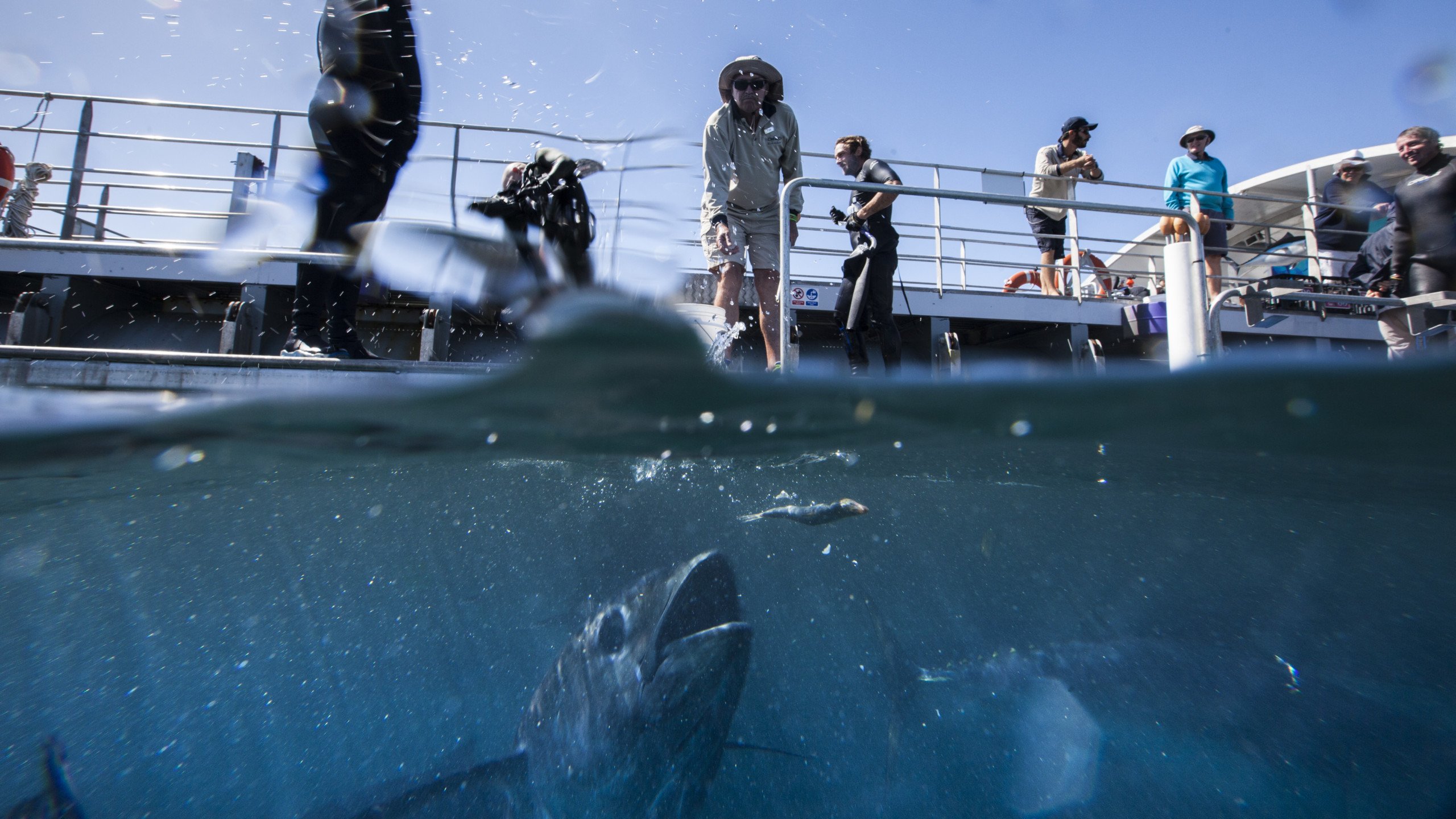
Port Lincoln is the undisputed capital of the southern bluefin tuna, a fish so prized it commands premium prices in Tokyo’s top markets. The industry here is a fascinating blend of maritime grit and modern sustainability. Since the 1990s, local fishers have perfected the art of catching wild tuna in the Great Australian Bight and towing them back in giant sea pens to be sustainably fattened offshore.
Strict international quotas now protect this once-overfished species, and local operators balance commercial success with conservation. When you see “Port Lincoln tuna” on a menu, know you’re tasting a world-class product – buttery, rich, and born of deep-sea grit and global culinary prestige.
This is the hidden gem of the local seafood scene, a less visible but equally significant industry. Divers hand-harvest greenlip and blacklip abalone from the cold, rocky reefs of the Southern Ocean, working to strict size and quota limits that ensure population stability. The work is physically demanding and occasionally dangerous – combining cold water, strong currents, and limited visibility to create one of Australia’s more challenging commercial fisheries.
The reward? A delicacy prized for its sweet, subtle flavour and firm texture, highly sought after in Asian markets. Eating abalone here isn’t just about taste – it’s about honouring a dangerous, skilled trade and a fishery built on sustainability and respect for the ocean.
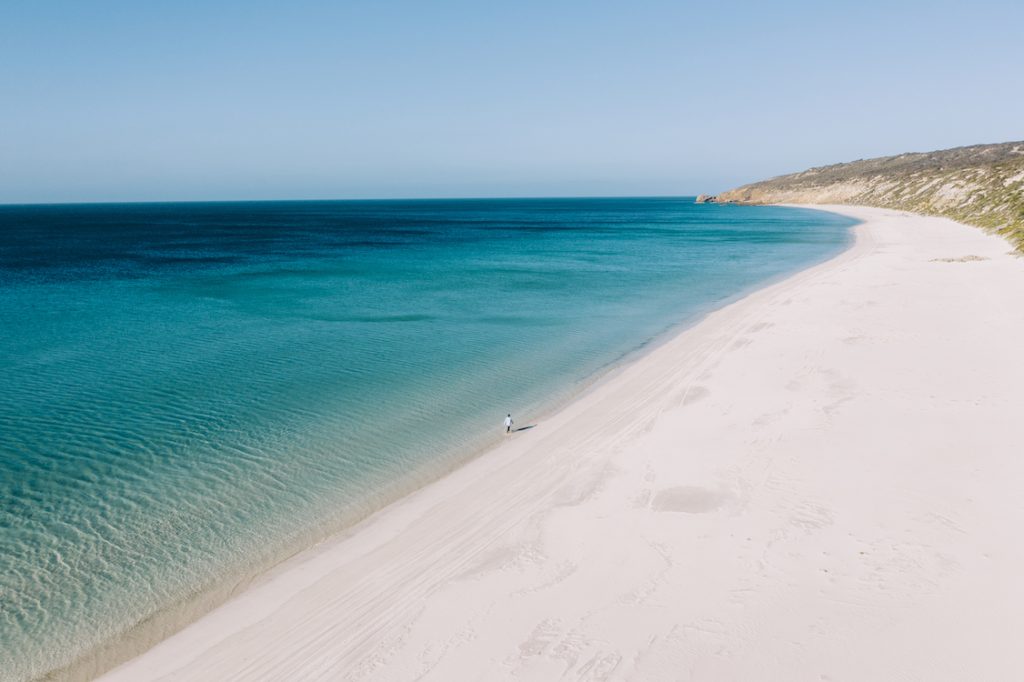
This is where you find the silence. Port Lincoln’s national parks are stunningly beautiful, refreshingly raw, and often completely yours to explore. This is wilderness without the handrails, where the landscape is shaped only by wind and wave. You might have an entire beach to yourself on a Saturday in October, a rarity in today’s Australian coastal tourism. These are working protected areas where the landscape is left to its own devices, offering a genuine sense of discovery.

Have you ever stood in a place that feels alive and shifting beneath your feet? The Sleaford-Wanna dune system within Lincoln National Park is a vast, moving landscape of sand, with some dunes towering thirty metres high. They are constantly resculpted by Southern Ocean winds that blow unimpeded across thousands of kilometres of open water. From the top, the view is never the same twice – a fact that famously flummoxed early explorers trying to chart this treacherous coast.
For a more tranquil experience, Memory Cove offers calm turquoise waters, remote campsites, and peaceful walking trails. Hike Stamford Hill at sunrise for panoramic views where the rising sun lights up every curve of the coast – a dream for photographers.
Safety note: The park’s western edge is raw Southern Ocean. Powerful surf and rogue “king waves” make swimming unsafe – best to enjoy this area from a safe distance. The scenery is breathtaking, but respect for the elements is essential.
This park feels like the Sahara decided to meet the sea. It offers a different character altogether – higher cliffs, bigger dunes, and a coastline that dramatically shifts between pounding surf beaches and impossibly turquoise, calm lagoons. The park’s central feature is a complex dune system where sand has been accumulating for thousands of years, creating stark, beautiful landscapes that feel more Saharan than coastal Australian.
It’s coastal wilderness at its rawest – and most beautiful.
Some of the best views require a little extra effort and respect. Whalers Way is privately owned, so you need to obtain a permit from the Port Lincoln Visitor Information Centre, but that’s precisely what keeps it exclusive and pristine.
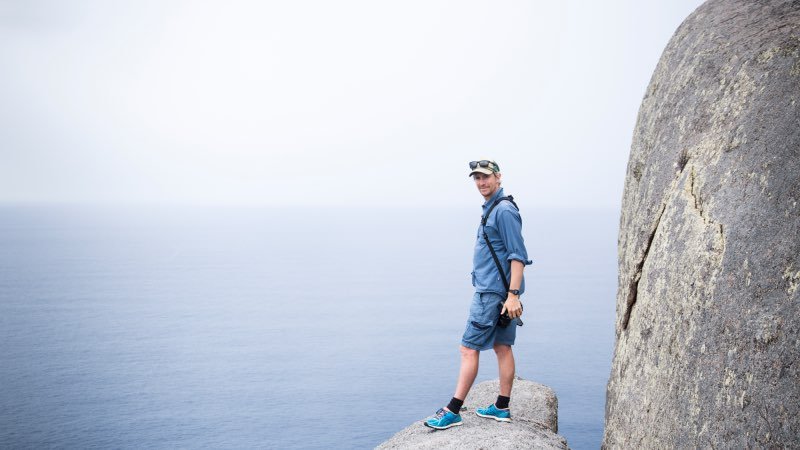
The extra step is utterly worth it for access to some of the region’s most dramatic cliff formations. Here, the Southern Ocean puts on a spectacular, raw performance, with blowholes that erupt during high seas and rock platforms worn into extraordinary shapes by millennia of wave action.
The journey in is part of the adventure; the access road is unsealed and can be rough, particularly after rain, requiring a cautious approach. Once there, your safety is paramount. These cliffs are completely unguarded, and the rocks can be treacherously slippery. The landowners have placed clear warning signs at the most hazardous points, and these advisories should be taken very seriously. For those who exercise caution, Whalers Way remains one of the most powerful and memorable places to simply stand and witness the untamed force of the Southern Ocean meeting the Australian continent.
The famous fishing tale is just the newest chapter here. To truly know Port Lincoln, you have to listen to the older, deeper stories – the layers of human history etched into this coastline over tens of thousands of years. It’s a narrative that encompasses ancient Indigenous presence, European exploration, and the ongoing conversation between these narratives. Understanding this depth transforms a visit from a simple holiday into a rich, meaningful experience.
Port Lincoln sits on Barngarla Country – traditionally known as Galinyala, or “place of sweet water.” The Barngarla people have cared for this coastline for tens of thousands of years, guided by deep knowledge of marine systems, seasons, and the balance between land and sea.
Today, you can join Barngarla-led cultural experiences that offer a far richer perspective than typical tourism. These tours share traditional ecological knowledge and show how Country is read, understood, and managed – not as wilderness, but as a living, reciprocal relationship. It’s a rare chance to see the coastline through the lens of the world’s oldest continuous culture.
The European chapter began in 1802 when explorer Matthew Flinders named Port Lincoln after his English hometown. His statue, alongside his loyal cat Trim, now overlooks the foreshore – a nod to the early days of European exploration along this uncharted coast.
To explore the town’s deep maritime roots, the Axel Stenross Maritime Museum traces the evolution of the fishing industry from early whaling to today’s tuna and abalone operations. But you don’t need a museum to understand Port Lincoln’s identity – just walk the working marina, where trawlers unload tuna, divers prep for abalone runs, and the ocean economy plays out in real time.
Large cruise ships can’t do this coastline justice.
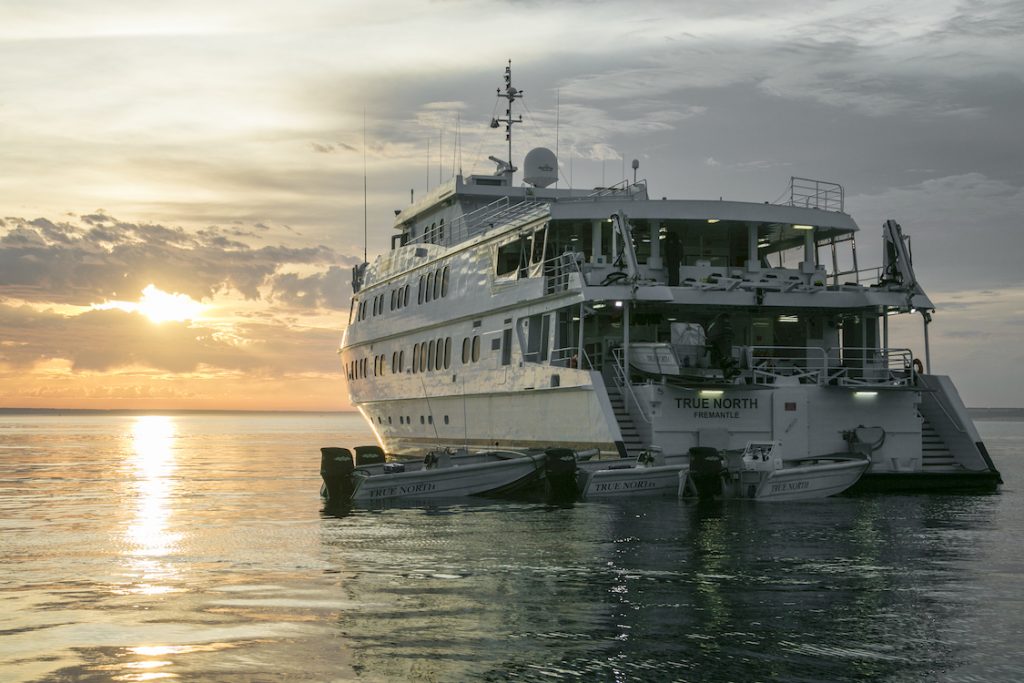
The best anchorages are too shallow, the wildlife too sensitive, and the most rewarding inlets too narrow for vessels carrying thousands. Exploring this region properly requires a different approach: smaller vessels, fewer guests, and flexible itineraries that adapt to weather and wildlife opportunities. It’s the difference between observing the coast and actually immersing yourself in it.
That’s where True North comes in. With just 22–36 guests and purpose-built expedition vessels, you’ll access places larger ships can’t even approach – from tidal inlets to secluded beaches and remote river mouths. It’s exactly what a destination like Port Lincoln deserves.
Coffin Bay oysters, optional great white shark cage diving, pristine national parks, wildlife encounters – our Southern Safari cruises from Adelaide delivers the region’s best.
Ready to experience South Australia at its wildest and most rewarding? The adventure starts here.
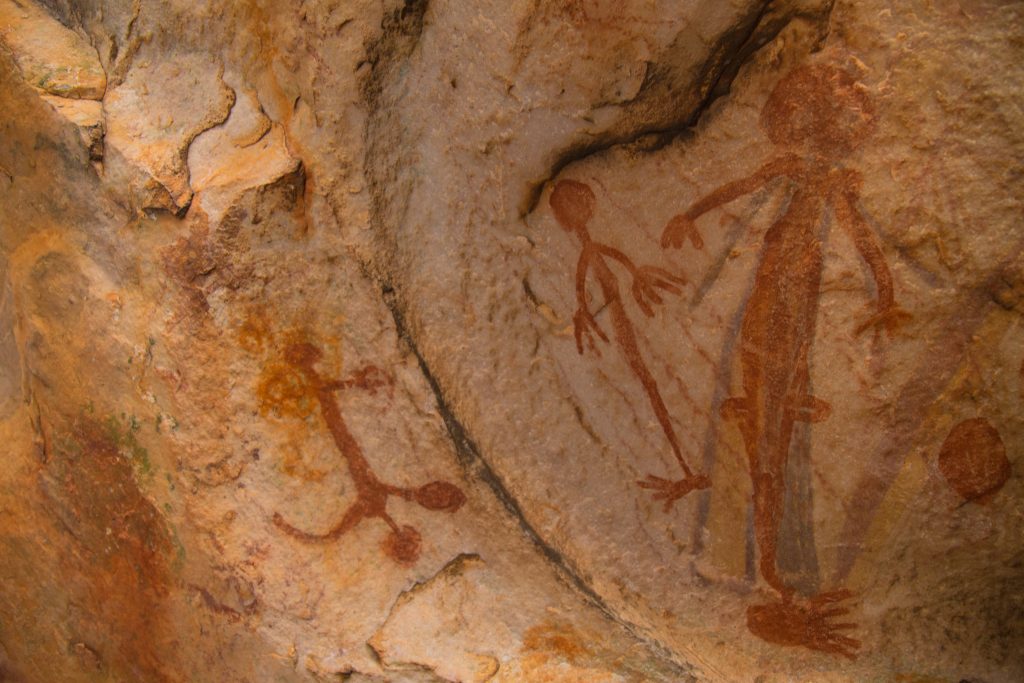
Swift Bay is the kind of place that makes you feel like an explorer. Cliffs tower over the water, rock shelters hide ancient art, and every turn feels like you’re discovering something new.
Read more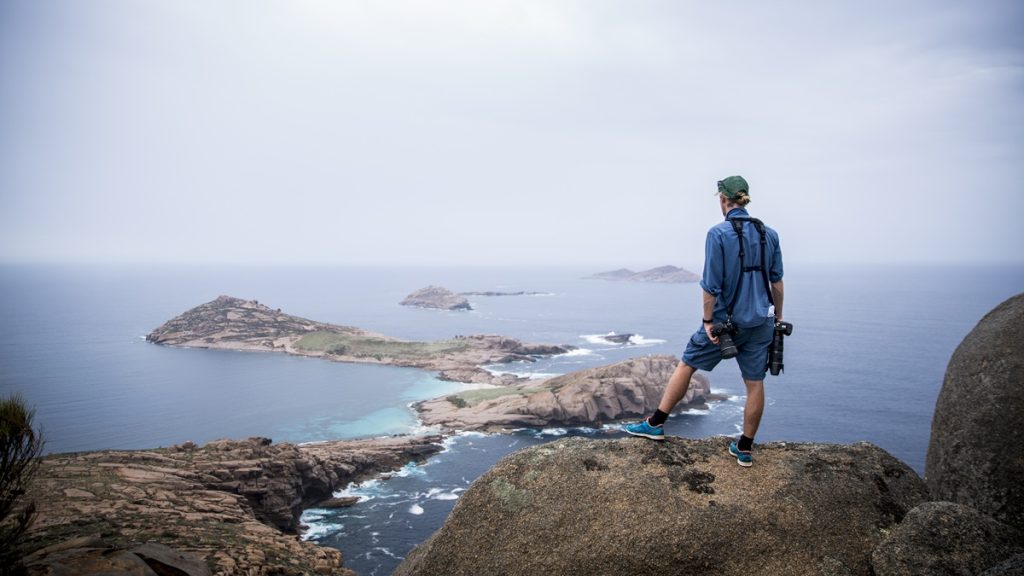
Great photography comes down to access. Being in the right place at the right time with the freedom to move. True North makes that possible.
Read more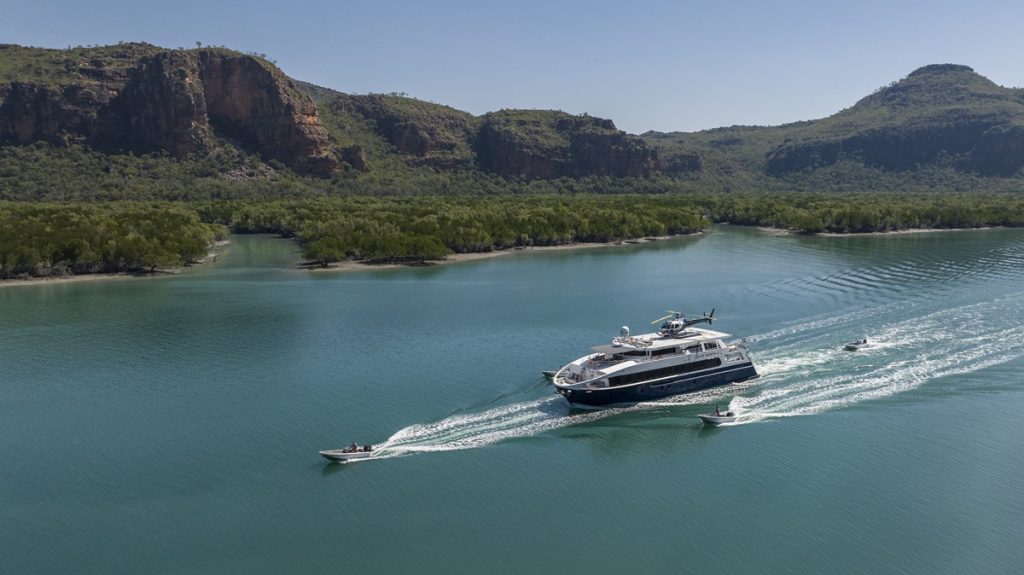
There’s no better way to take in the Kimberley than from the water. Towering cliffs, winding rivers, and waterfalls that spill straight into the sea—it’s all right there, just beyond the deck. The tide sh...
Read more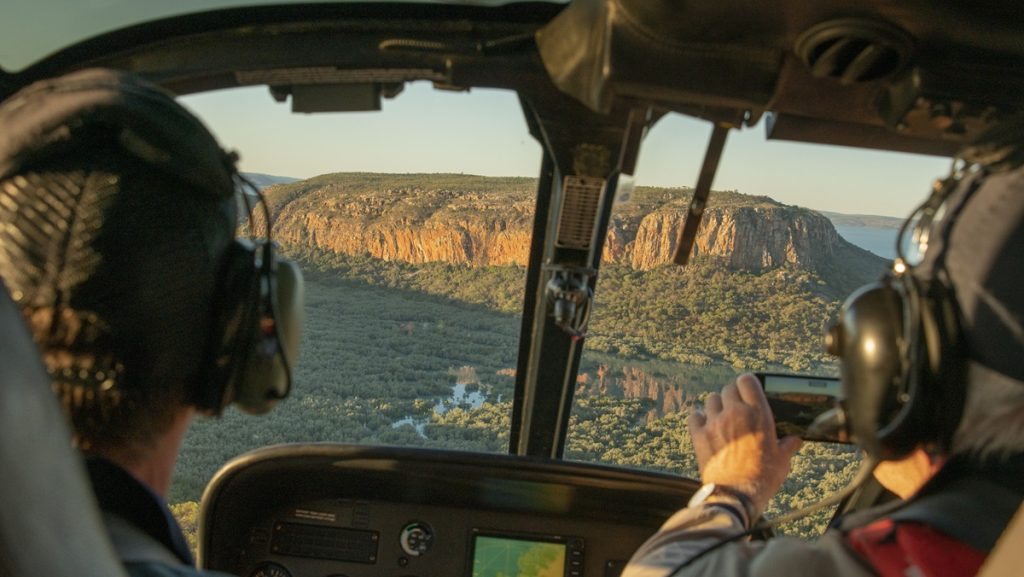
The Kimberley is vast, remote, and largely untouched. Not many people can say they have seen it from the air, but those who have know it offers a completely different perspective.
Read moreMontgomery Reef is one of those places that makes everyone say the same thing what is going on here? One minute, it’s just open ocean. Then, as the tide drops, the water starts rushing away, and this massive ...
Read more