Night skies of the Kimberley: stargazing in one of the world’s last true dark spots
Published on 26 Jan 2026
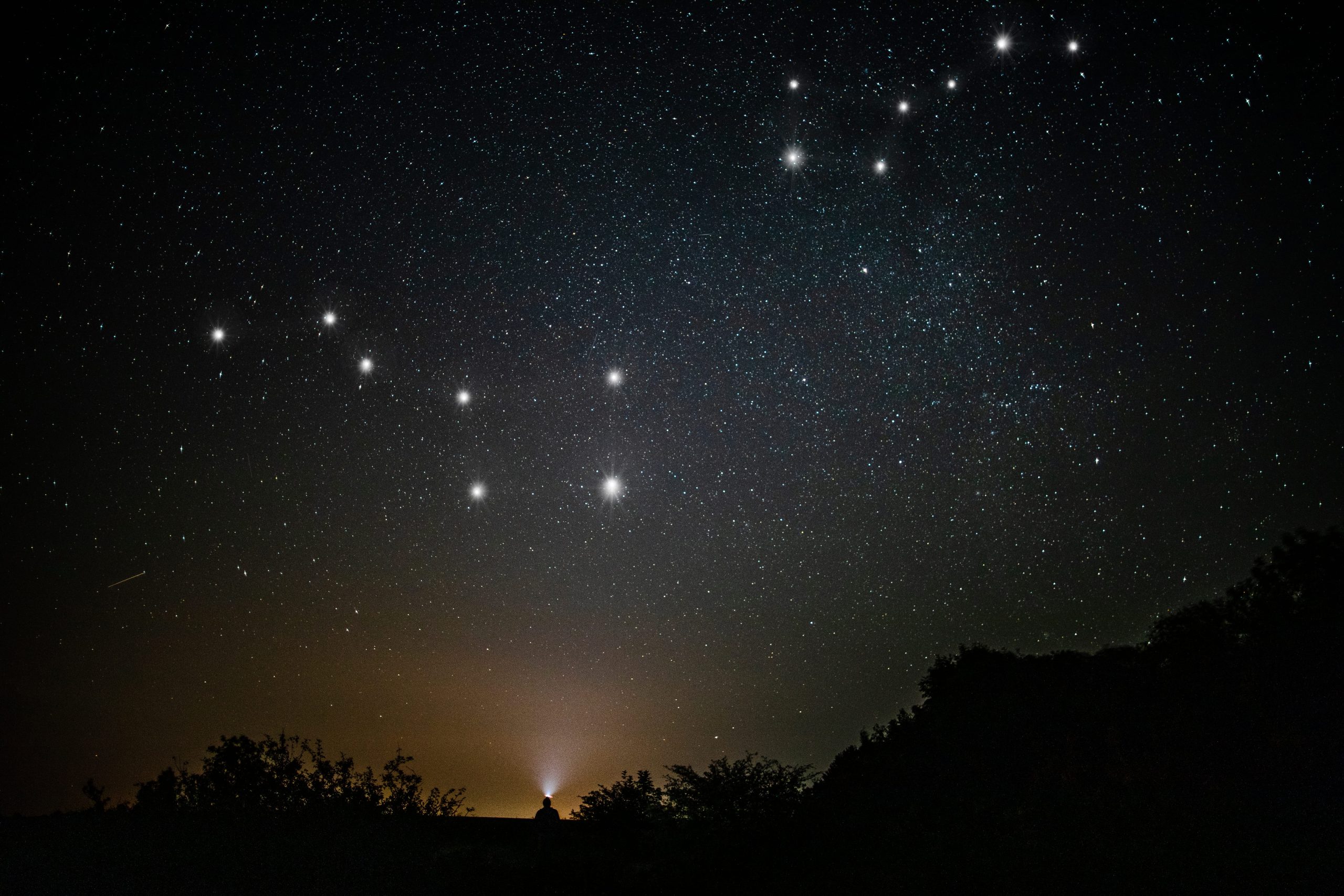
Consider this: according to research from NOAA, one-third of humanity can no longer see the Milky Way at all. Light pollution has erased our connection to the cosmos so completely that for billions of people, the night sky has become nothing more than an orange, featureless glow hanging over their cities.
The Kimberley exists outside this reality entirely, preserved by its sheer scale and remoteness. Spanning over 420,000 square kilometres, three times the size of England, the Kimberley region is home to fewer than 40,000 people, which translates to a population density of roughly 0.07 persons per square kilometre, among the lowest anywhere on the planet. The entire region contains just three towns with more than 2,000 residents, and ninety-seven per cent of its landmass is classified as ‘very remote’ by Australian standards.
What does this mean for the night sky? When True North anchors in a secluded bay along the Kimberley coast, beneath the towering cliffs of the King George River or in the sheltered waters off Bigge Island, the nearest town light might be hundreds of kilometres away, and the nearest city glow over two thousand.
The darkness here is not merely dark; it is primordial, the kind of darkness humans experienced for hundreds of thousands of years before Edison changed everything.
The Southern Hemisphere offers something the north simply cannot: a direct view into the heart of our galaxy. Earth’s axial tilt positions southern latitudes to gaze straight toward the Galactic Centre, the brightest, most star-dense region of the Milky Way, during nighttime hours. From northern latitudes, this region barely rises above the horizon, but from the Kimberley it passes almost directly overhead, and the difference is nothing short of transformative. Out here, the stars don’t just appear – they explode into view, stretching from one horizon to the other in high-definition clarity.
During the dry season (May to September), cool nights and low humidity create ideal stargazing conditions. With no haze, no clouds, and zero light interference, the Milky Way spills across the sky like a glowing river, planets burn bright, and constellations you’ve only seen on apps come to life overhead. Whether you’re watching from the deck of TRUE NORTH, a remote beach, or a scenic clifftop after a sunset helicopter flight, this is the kind of night sky that stops conversations mid-sentence.
On a moonless night in the Kimberley, the Milky Way doesn’t merely appear; it dominates the entire sky. The galactic core blazes overhead like a concentrated mass of golden light while dark dust lanes snake through the star fields, creating dramatic shadows and rifts that give the galaxy its distinctive texture. Billions of individual stars become visible to the naked eye, and the spiral arm structure emerges from what city dwellers experience as nothing more than a faint, milky smudge.
Peak viewing occurs between June and August, when the galactic centre reaches its highest point in southern skies, timing that aligns precisely with True North’s core Kimberley cruising season. This is no coincidence for a company that has been exploring these waters for over three decades.
Beyond the Milky Way, the Kimberley sky reveals celestial objects that most humans will never have the opportunity to see:
The Southern Cross (Crux) is Australia’s most famous constellation, and at this latitude, it never sets below the horizon. Its five bright stars form a distinctive kite shape that has guided navigators for millennia and now graces the Australian flag.
The Magellanic Clouds are not clouds at all, but satellite galaxies orbiting our own Milky Way at distances of 160,000 and 200,000 light-years, respectively. To the naked eye, they appear as two luminous, fuzzy patches drifting near the southern horizon, entirely invisible to anyone in the Northern Hemisphere. When you see them, you are looking at separate galaxies containing billions of stars, with nothing but your own eyes.
Alpha Centauri, the third-brightest star in the night sky, is also our nearest stellar neighbour at just 4.3 light-years distant. It serves as one of the ‘Southern Pointers’ that guide the eye toward the Southern Cross, a navigation trick that becomes second nature after a few nights on deck.
Omega Centauri is the largest and brightest globular cluster visible from Earth, a dense sphere containing up to ten million stars that appears to the naked eye as a fuzzy star, the only globular cluster bright enough to spot without equipment.
The Coalsack Nebula appears as an ink-black void against the brilliant Milky Way, positioned just beside the Southern Cross. This dark nebula, a cold cloud of gas and dust that blocks the light of stars behind it, played a central role in Indigenous Australian astronomy for tens of thousands of years.
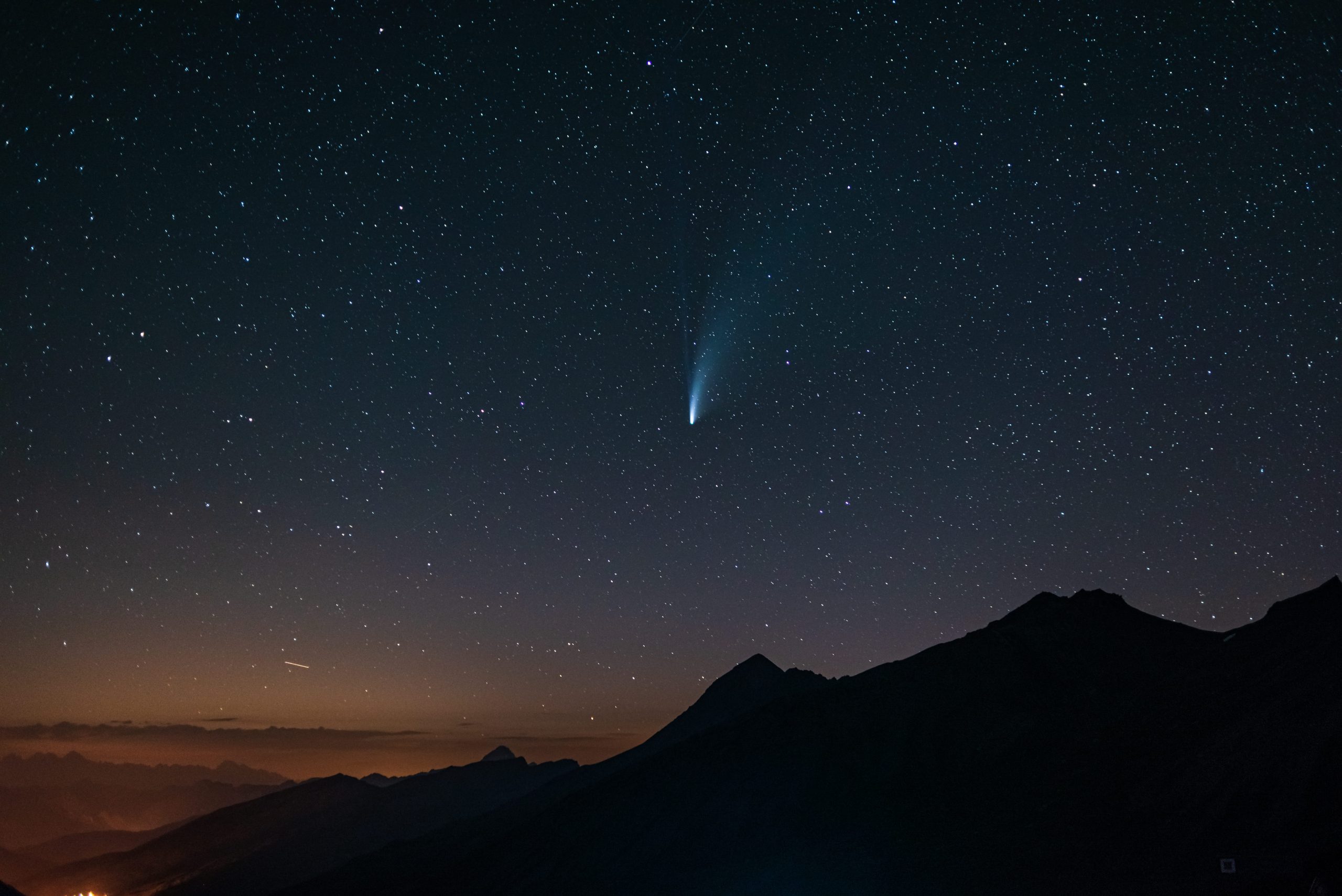
The Kimberley’s dry season coincides with several notable meteor showers, adding an element of surprise to any evening on deck. The Eta Aquariids in early May can produce up to fifty meteors per hour, debris from Halley’s Comet streaking across the pristine sky, while the Southern Delta Aquariids peak in late July, followed by glimpses of the famous Perseids in August. Even on ordinary nights, the complete absence of light pollution means you’ll likely spot several shooting stars simply by gazing upward for a few minutes. On a Kimberley cruise, the sky becomes a nightly performance that requires no planning to enjoy.
The night sky above the Kimberley has been studied, mapped, and woven into cultural knowledge for longer than anywhere else on Earth. Aboriginal Australians are the world’s oldest astronomers, with documented astronomical traditions spanning at least 65,000 years, predating Babylonian, Greek, and Renaissance astronomy by tens of thousands of years. This is not merely historical curiosity; it is living knowledge, still practised and passed down today.
Perhaps the most widely shared Aboriginal constellation, the Emu in the Sky is what astronomers call a ‘dark constellation’, formed not by stars but by the dark nebulae visible against the Milky Way. The emu’s head is the Coalsack Nebula beside the Southern Cross, with its long neck, body, and legs extending through Centaurus and Scorpius, stretching across a significant portion of the night sky.
This is practical astronomy encoded in a story. In autumn, when the emu’s legs become visible and the figure appears to run, it signals that female emus are chasing males during mating season. By winter, the legs disappear as the male emu settles on the nest, indicating optimal timing for egg collection. The sky served as a calendar, an almanac, and a law for countless generations.
Rock engravings at sites near Sydney depict the celestial emu in the same pose and orientation as it appears in the sky, evidence of this astronomical knowledge carved into stone thousands of years before Stonehenge was built.
The Pleiades star cluster features in Dreaming stories shared across more than half the Australian continent, forming a songline that covers nearly 500,000 square kilometres. The story tells of seven sisters being pursued by a sorcerer (represented by Orion), who eternally chases them across the sky in a narrative that connects land, sky, and Law.
Recent research suggests this may be the oldest story in human history. The seven individual stars of the Pleiades would have been more distinguishable 100,000 years ago, potentially dating this Dreaming to that extraordinary period, a time when modern humans had not yet left Africa.
When you gaze at the Pleiades from the deck of True North, you are looking at stars that have been watched, named, and storied by the people of this land for longer than human memory can comprehend.
There is a difference between looking at a dark sky and truly experiencing one, and True North’s approach to Kimberley stargazing transforms the former into the latter through a combination of remote access, intimate scale, and genuine comfort.
Each evening, TRUE NORTH anchors in locations chosen not merely for their scenic beauty but for their absolute remoteness. The ship’s shallow 2.5-metre draft allows access to bays, rivers, and gorges that larger vessels cannot reach, places where the wilderness remains genuinely untouched. When the engines are quiet, and the anchor drops in a place like the Hunter River or Raft Point, you are not near the wilderness; you are in it, with no other humans for dozens of kilometres in any direction.
The ship itself becomes part of the experience rather than a distraction from it. With just 36 guests maximum (fewer on True North II), deck lighting is minimal and considerate of the darkness beyond. Step outside after dinner, and your eyes begin adjusting within minutes; by the time you’ve settled into a deck chair with a nightcap, the universe has opened above you in ways that feel almost overwhelming.
Some of the most memorable stargazing happens during True North’s famous Helicopter Camping experience. Picture this: you’ve spent the day exploring waterfalls by helicopter, fishing for barramundi in tidal rivers, or walking through ancient Wandjina rock art galleries with their haunting, wide-eyed figures. In the afternoon, take off in the heli to a remote location perfectly landscaped with waterfalls and swimming holes. Here your stretcher bed awaits. Your pilot is your gourmet campfire chef.
The fire crackles, the wine flows, and as darkness falls, the sky transforms above you. Lying on your surprisingly comfortable stretcher bed, far from any human habitation, you watch the Milky Way wheel overhead in complete silence, no streetlights, no cars, no hum of civilisation, just the white noise of the nearby waterfall and the vastness above. These are the moments guests remember years later, the unexpected magic that no itinerary can fully capture.
The Kimberley Coast & Coral itinerary describes one such evening at Clerke Lagoon: “End the day with sunset drinks on the beach, followed by one of our famous Island Parties. We’ll then return to the True North, where you can gaze at the 360-degree canopy of stars reflected in the glassy ocean.”
Here is what distinguishes a True North stargazing experience from simply camping under the stars: after hours of celestial wonder, you return to genuine comfort. You walk back to your private cabin with its crisp sheets, en suite bathroom, and air conditioning for the tropical nights. The galley has already prepared tomorrow’s breakfast, and the crew has plotted the next day’s adventures while you were counting shooting stars.
You do not need to sacrifice comfort to access profound wilderness; that is the True North philosophy, refined over more than thirty-five years of pioneering these waters. The adventure is real, but so is the recovery.
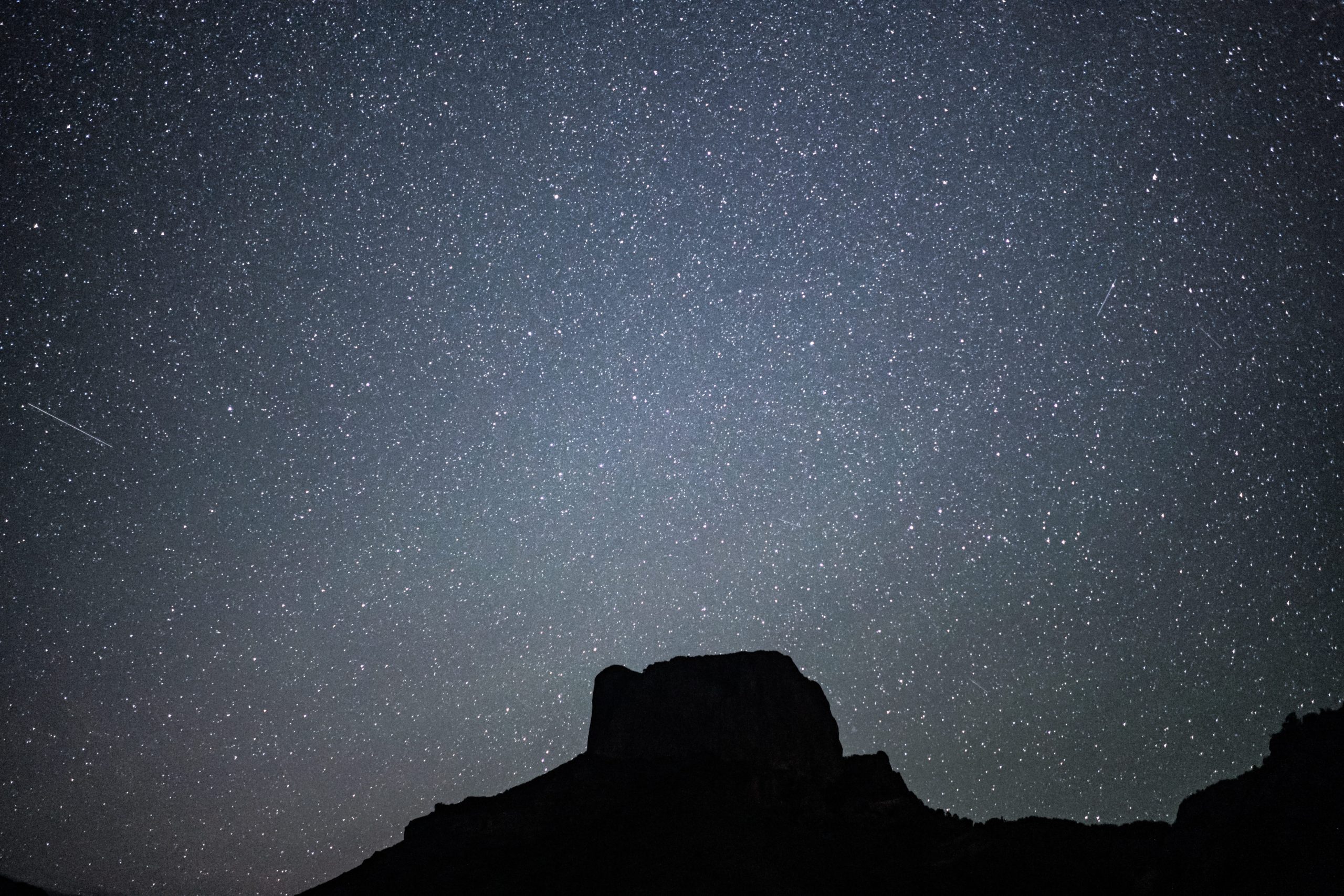
Something happens to people under a truly dark sky, a shift that is difficult to articulate but impossible to forget. Carol Redford, founder of Astrotourism Western Australia, has witnessed it countless times: visitors from cities around the world reduced to tears upon seeing the Milky Way for the first time. Not from sadness, but from a kind of recognition, as if something deeply human and long dormant has suddenly awakened.
The scale of it defies comprehension in the most literal sense. When you look at the Magellanic Clouds, you are seeing light that left those galaxies 160,000 years ago, when anatomically modern humans were first beginning to spread across Africa. The photons striking your retina tonight have been travelling through space since before the last Ice Age, before agriculture, before language as we know it. You are not merely observing the universe; you are participating in a connection that spans unimaginable distances and timescales.
Guests often describe the experience in similar terms: feeling simultaneously tiny and connected, insignificant and part of something infinite. There is a stillness that settles over a group watching the stars together, strangers when they boarded, but sharing something wordless by the third night. Conversations become quieter, more reflective. People linger on deck longer than they intended, reluctant to break the spell.
“All of my senses awakened,” wrote one recent traveller, “and my heart and soul took in all this beauty, a once-in-a-lifetime trip.”
This is what the Kimberley offers: not merely a view, but a feeling. The feeling of standing on an ancient coastline, beneath ancient stars, in one of the last places on Earth where such a thing is still possible.
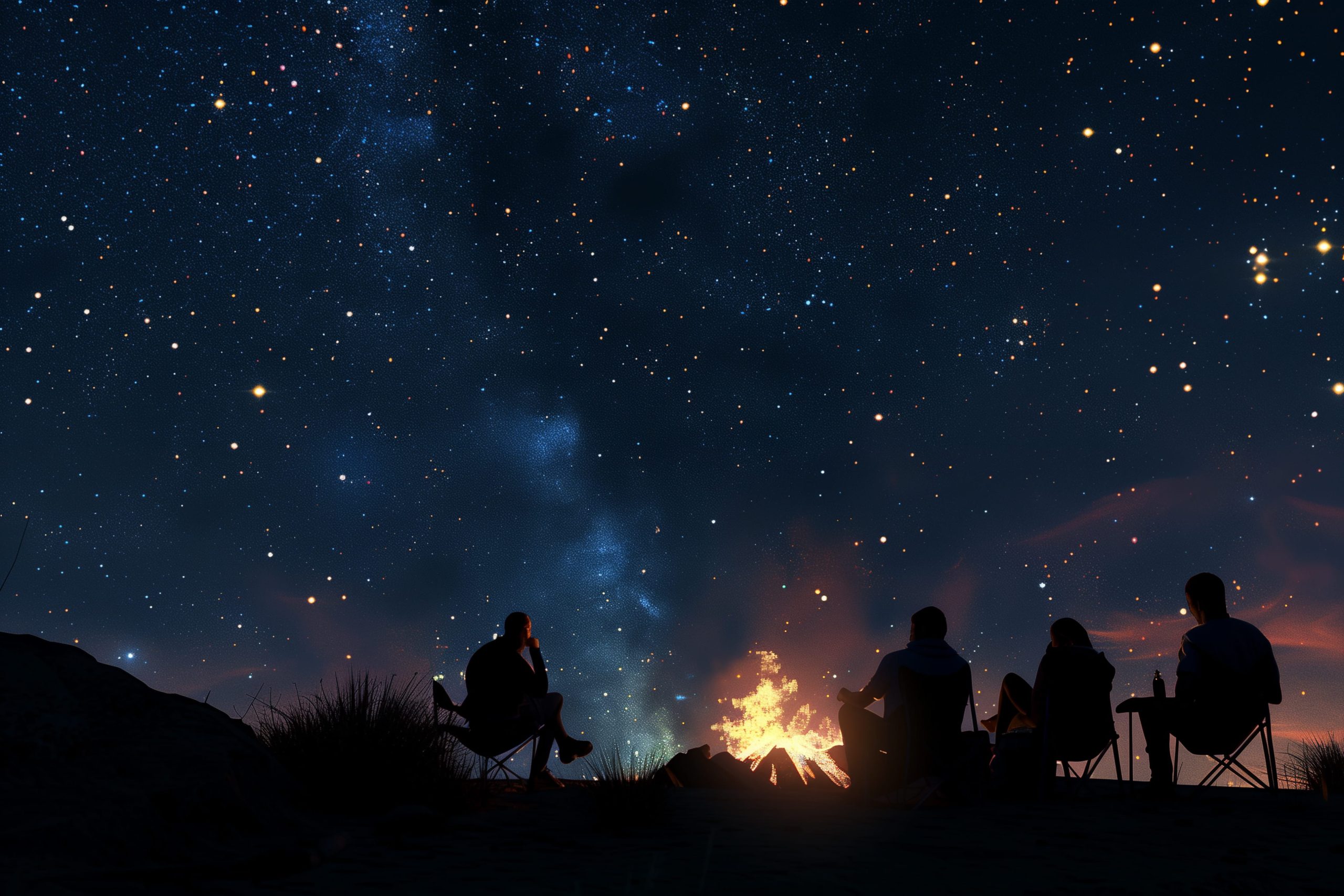
In an age when the night sky has been stolen from most of humanity, the Kimberley remains a sanctuary where the Milky Way still blazes with primordial intensity, where galaxies are visible to the naked eye, and where 65,000 years of Indigenous astronomical knowledge enriches every upward glance.
The stars have been waiting. Maybe it’s time to see what you’ve been missing.
So, are you ready to explore the Kimberley’s night skies? If so, then it’s time to view our Kimberley Cruise Itineraries.
Not at all. The Kimberley’s pristine darkness means the naked eye reveals far more than most people have ever seen, including the Milky Way’s structure, the Magellanic Clouds, and thousands of individual stars. Binoculars can enhance the experience, particularly for viewing the Jewel Box cluster near the Southern Cross, but they’re entirely optional. The crew can assist with basic constellation identification, helping you locate the Southern Cross, the Emu in the Sky, and other celestial highlights throughout your voyage.
True North operates with minimal external lighting when anchored in remote locations. The ship’s intimate size (maximum 36 guests) means there’s no casino glow, no pool deck floodlights, no entertainment complex illumination, none of the light spill that plagues larger cruise vessels. Once you step outside your cabin, your eyes adjust to the darkness rapidly, and many guests prefer stargazing from the sundeck or observation lounge, where the crew ensures lighting remains considerate of the experience.
The Kimberley’s dry season (May to October) is characterised by reliably clear skies and virtually no rainfall, making cloud cover genuinely rare during these months. Most guests experience multiple clear nights throughout their voyage, often every night. Even on the occasional overcast evening, the Kimberley’s daytime adventures, waterfalls, rock art, fishing, and helicopter flights ensure no day feels wasted, and you’ll likely have clear skies the following night.
True North’s evening programming naturally incorporates stargazing opportunities, particularly during beach barbecues and island parties where guests are off-ship after dark. The crew’s extensive local knowledge means they can point out key constellations that bring the sky to life. However, every night aboard offers informal stargazing; simply step onto the deck after dinner and look up. Many guests describe these quiet, unscheduled moments as among the most memorable of their voyage. Explore the full range of onboard experiences to see how each day unfolds.
Absolutely, and you may be surprised by the results. The Kimberley’s exceptional darkness produces stunning astrophotography even with modest equipment; modern smartphone cameras with night mode can capture the Milky Way’s arc quite effectively, while DSLR or mirrorless cameras with manual settings will produce extraordinary images. A tripod is recommended for long exposures, and the ship’s stable anchorage in sheltered bays provides an excellent platform. Many guests find that photographing the stars becomes an unexpected highlight of their trip, giving them images they’ll treasure long after they return home.

There comes a point in travel where comfort alone is no longer enough. Not because it loses its appeal, but because it no longer feels meaningful.
Read more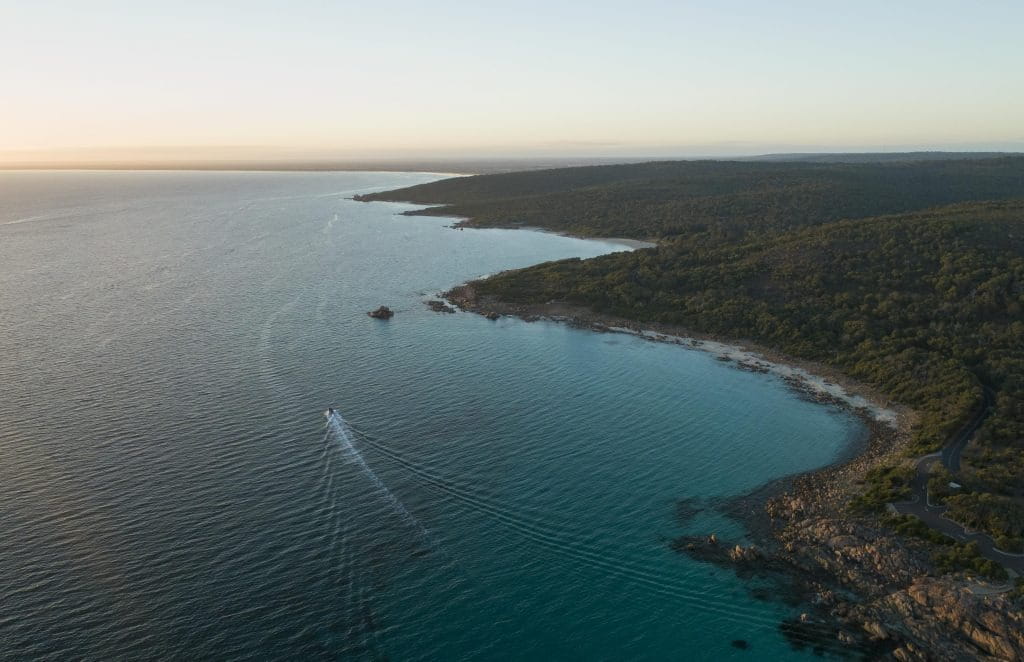
There are moments in travel that feel bigger than any single destination. Moments that are shaped not by the map beneath your feet, but by the sky above you.
Read more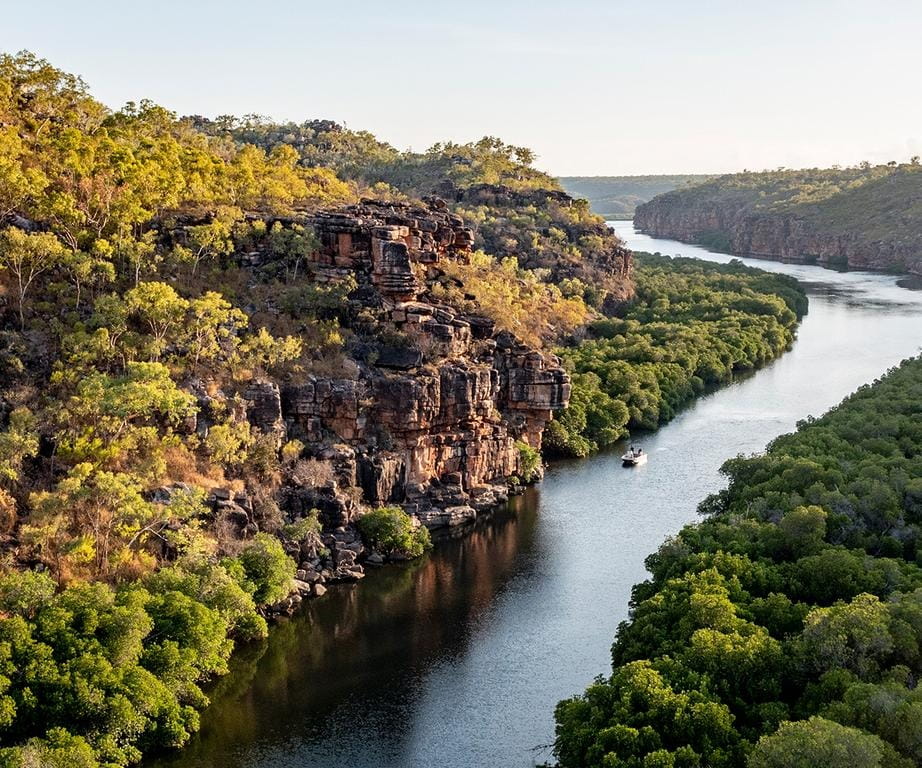
After decades chasing great water, many experienced fishers notice their priorities changing. It stops being about collecting famous destinations or casting into water you’ve already seen splashed across maga...
Read more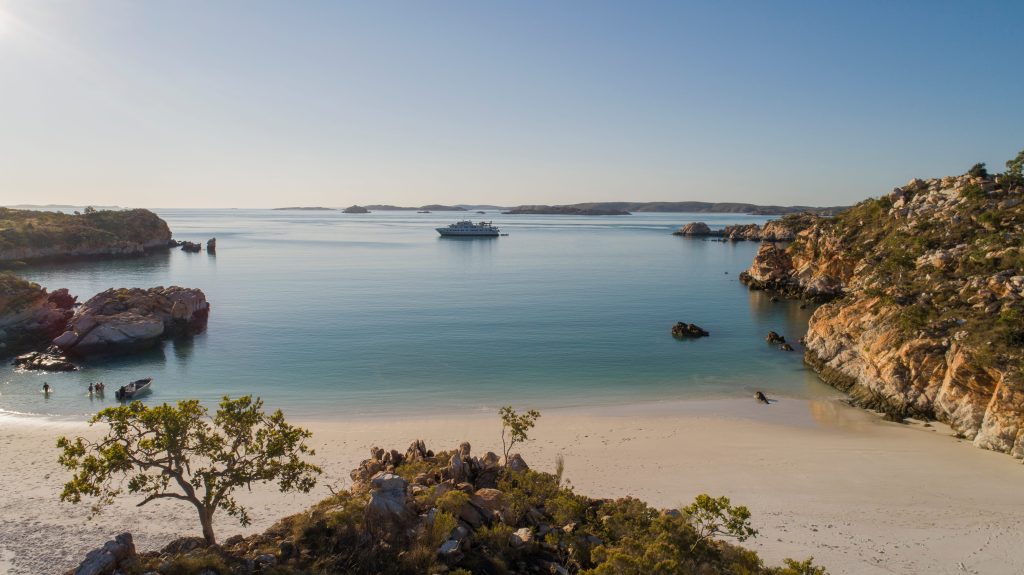
Luxury travel is evolving, with greater emphasis on experience and access. In 2026, travellers are no longer chasing shiny excess or ticking off famous bucket list sights just because they’re popular. Instead...
Read more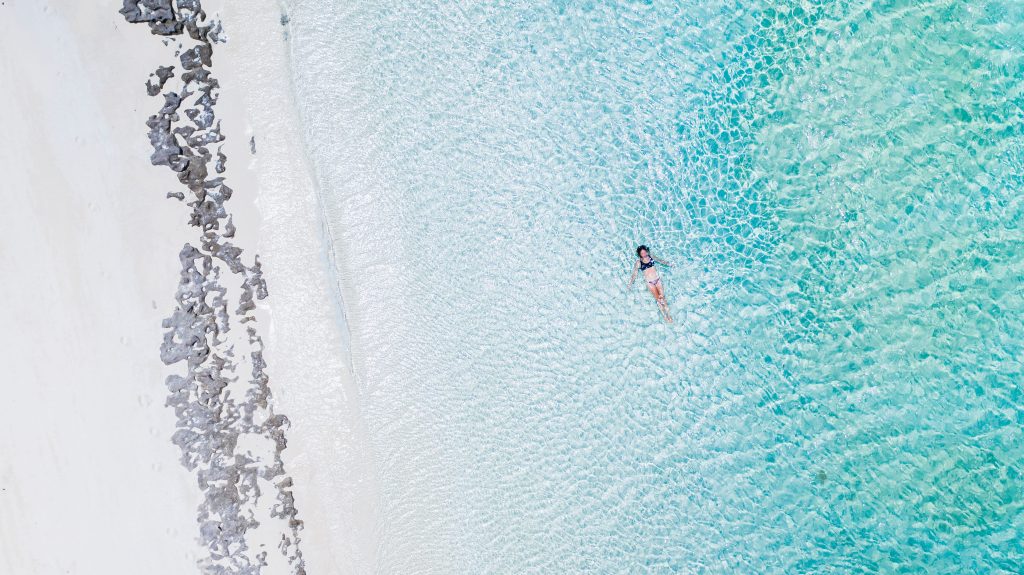
Travelling solo offers a rare kind of focus. There are no compromises to negotiate, no competing preferences to consider. Just time, space and a destination that invites deeper attention.
Read more