Shoulder season travel: when timing changes the experience
Published on 11 May 2026
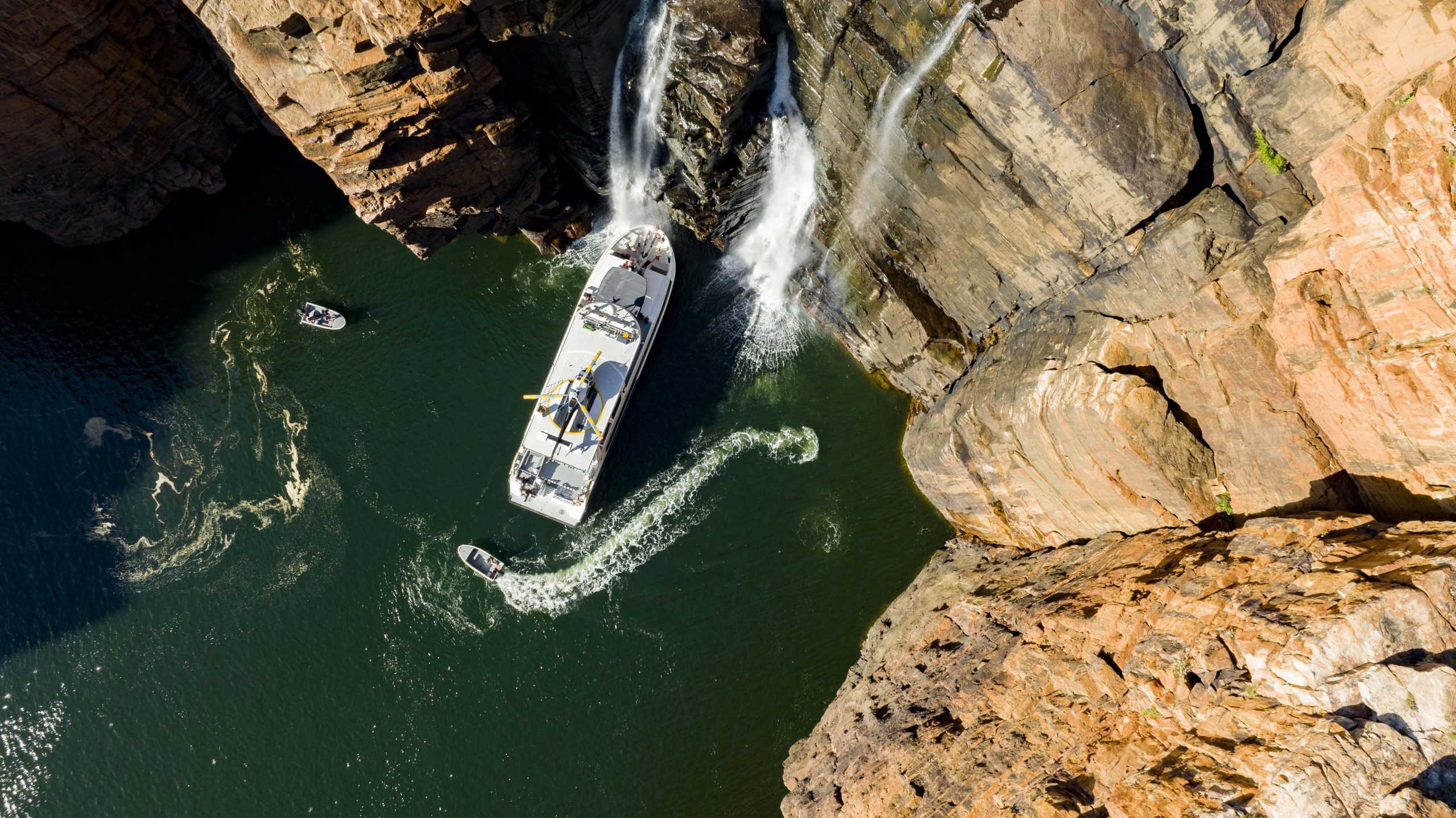
There comes a point in travel where it’s no longer about how much you see, but how deeply you experience it. The pace shifts. The focus narrows. What begins to matter is access, space, and a genuine connection to place.
This is where shoulder season reveals its value. Set just beyond the peak, it offers a more balanced way to explore, where landscapes feel open, experiences unfold more naturally, and the journey becomes less about timing and more about immersion.
In Australia’s most remote coastal regions, this shift becomes even more powerful, especially when explored by small ship expedition cruises, where flexibility and access open up an entirely different kind of journey.
Shoulder season sits just beyond the peak, a quieter window between high demand and the off-season. Conditions remain favourable, access is still wide open, but the sense of crowd and urgency has eased.
In remote coastal Australia, it’s rarely an in-between. More often, it reveals a different side of the experience. The pace softens, the landscape opens up, and each encounter carries a greater sense of clarity and connection.
Moments feel more personal. Encounters feel less staged. And the landscape starts to feel like something you’ve discovered, rather than something you’re sharing. Instead of travelling with the crowd, you’re moving with the rhythm of the place itself.
With fewer travellers moving through these regions, the experience shifts. Anchorages feel undisturbed, beaches remain untouched, and wildlife encounters unfold with a quiet authenticity. What defines luxury here is not excess, but space – space to explore, to linger, and to experience each location without interruption.
In remote regions, access shapes the experience. On a small ship expedition, it allows the day to unfold with intention rather than schedule – lingering longer in a secluded bay, returning to a remarkable wildlife encounter, or quietly adjusting course to follow what’s happening in the moment.
It’s this flexibility that transforms the journey, where time isn’t dictated by itinerary, but guided by the landscape itself.
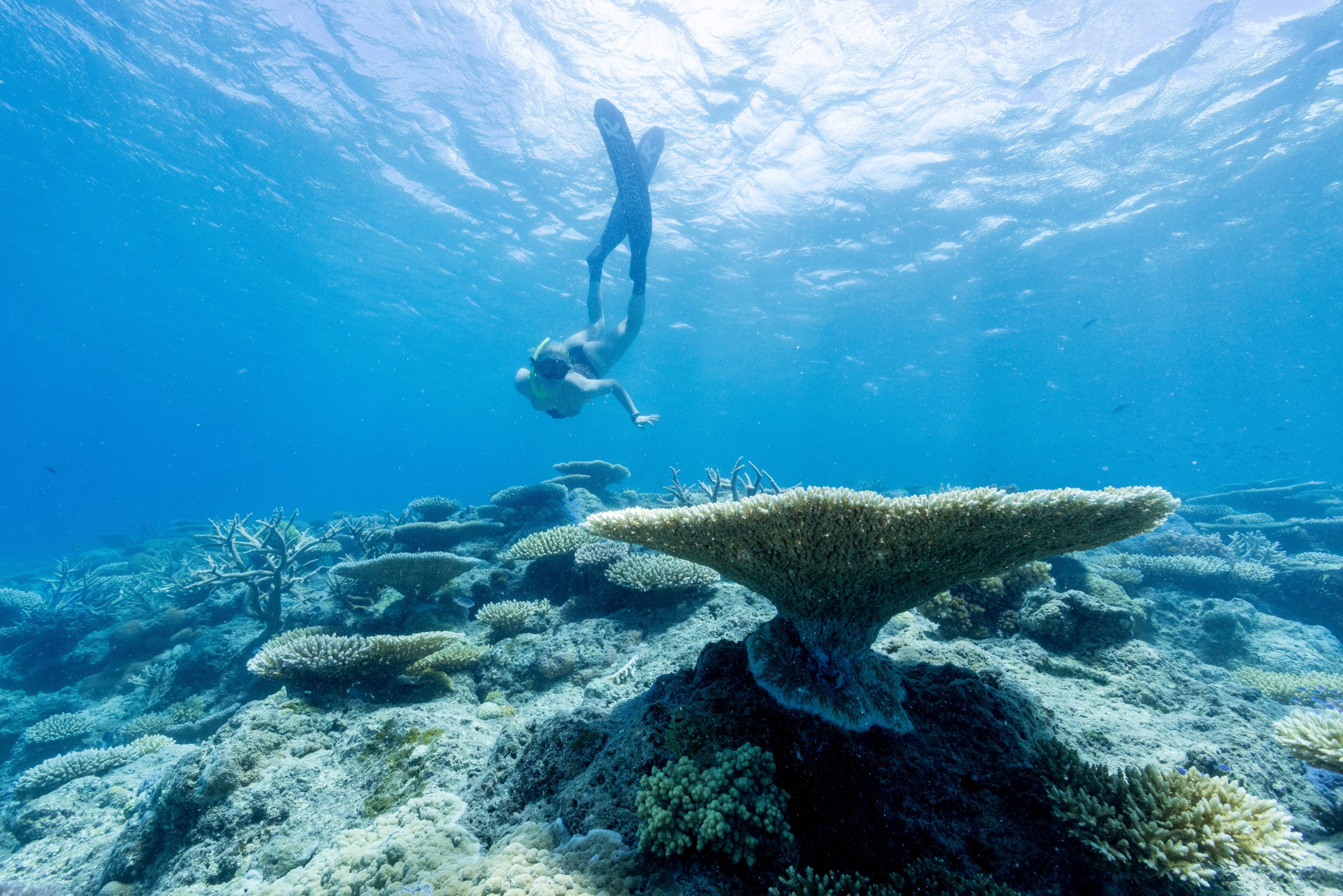
Photo: Snorkeller gliding above a vibrant coral reef in clear, calm waters, reflecting the rich marine life and ideal conditions of shoulder season travel along Australia’s coast.
Shoulder season often brings a natural balance in conditions, where weather, water and visibility align to create greater freedom in how each day unfolds. It’s a time when the environment feels more accessible, allowing you to move with confidence through regions that can otherwise be more restricted.
Calmer waters open the way into sheltered bays, narrow inlets and rarely visited stretches of coastline, while stable conditions make it easier to step ashore, explore by tender, or take to the air when the opportunity presents itself.
Rather than working around the elements, the journey begins to work with them, unlocking a level of access and spontaneity that defines the experience.
Days feel more usable. Time on the water becomes easier to extend. Access to exposed coastlines and offshore locations becomes more consistent. In regions where the environment shapes every decision, this isn’t a small advantage. It’s what allows the destination to open up, and gives you the freedom to experience it more fully.
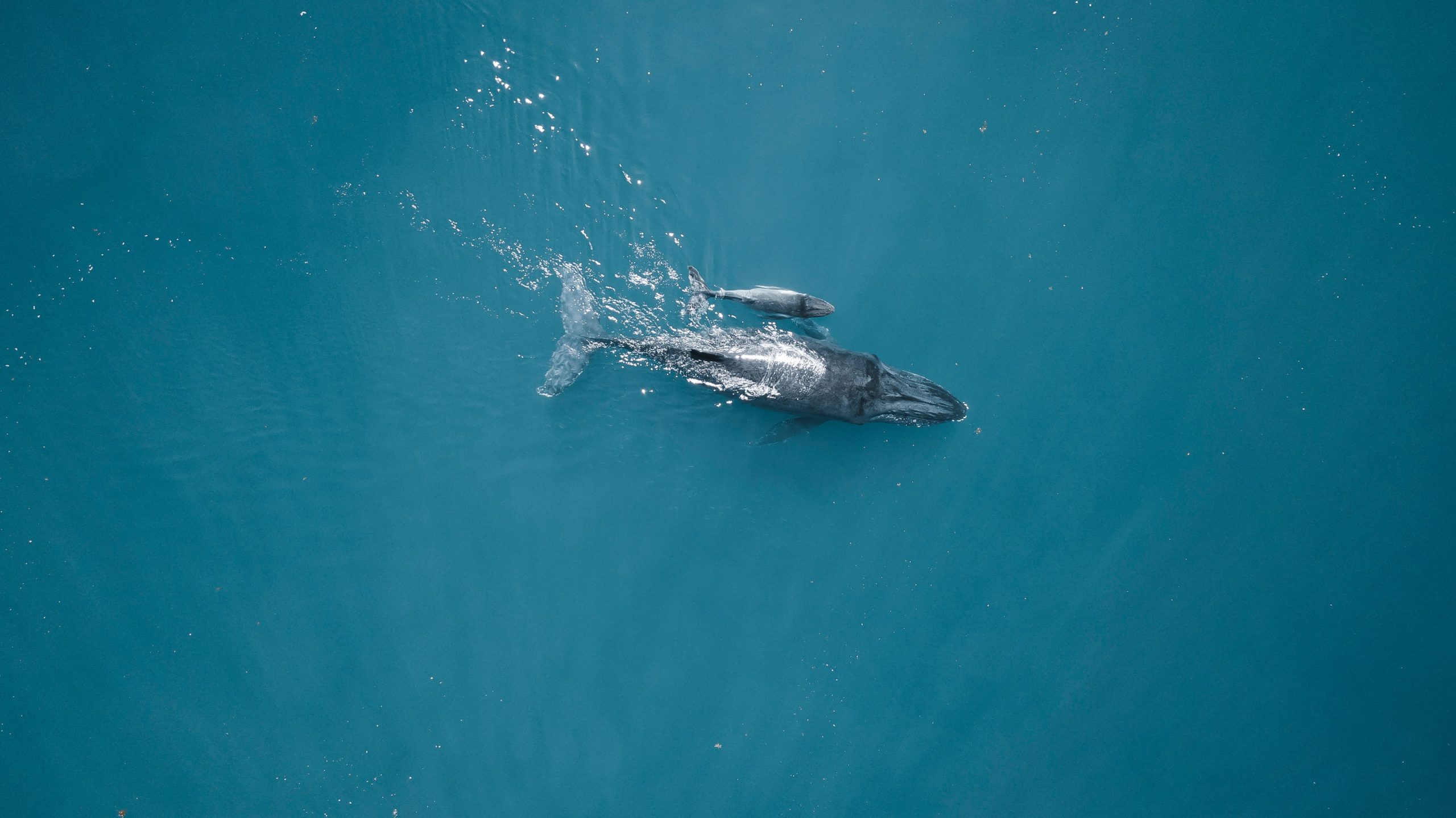
Photo: Aerial view of a humpback whale swimming alongside its calf in clear blue ocean water, highlighting intimate wildlife encounters during shoulder season travel along Australia’s remote coast.
Shoulder season often coincides with key moments in the natural cycle, when migration routes shift, breeding seasons unfold, and both land and marine life become more visible and active. Across Australia’s remote coastlines, this can mean whales moving along the horizon, seabird colonies in full motion, or marine life gathering in nutrient-rich waters.
There’s a heightened energy to the environment at this time of year. Encounters feel less fleeting and more immersive, as wildlife moves with purpose and frequency. Rather than isolated sightings, you begin to witness patterns – behaviours that reveal how these ecosystems function, adding depth and meaning to each encounter.
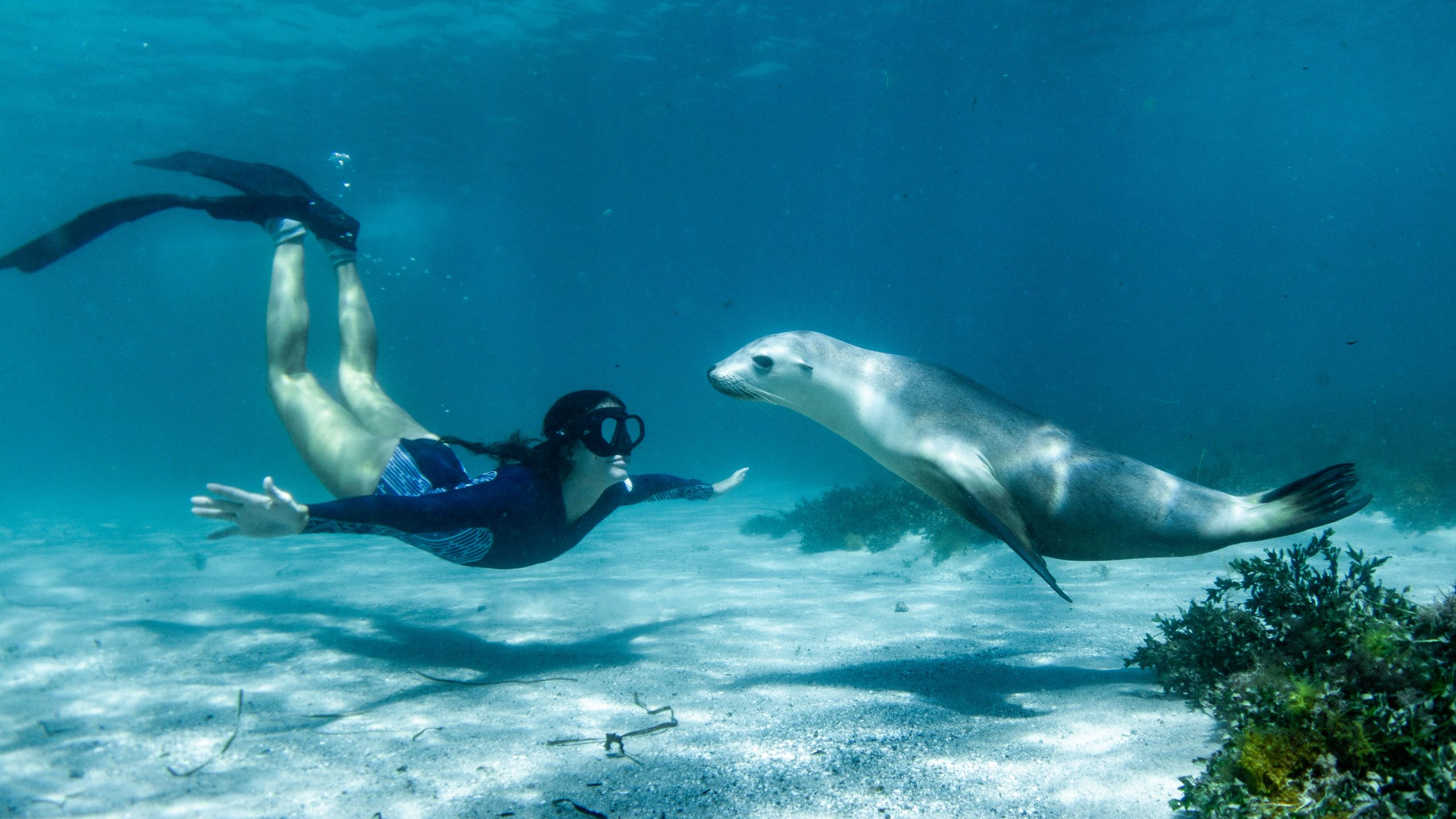
Photo: Snorkeller swimming face-to-face with a curious sea lion over a sandy seabed in clear, calm water, capturing close and playful marine encounters during shoulder season travel along Australia’s coast.
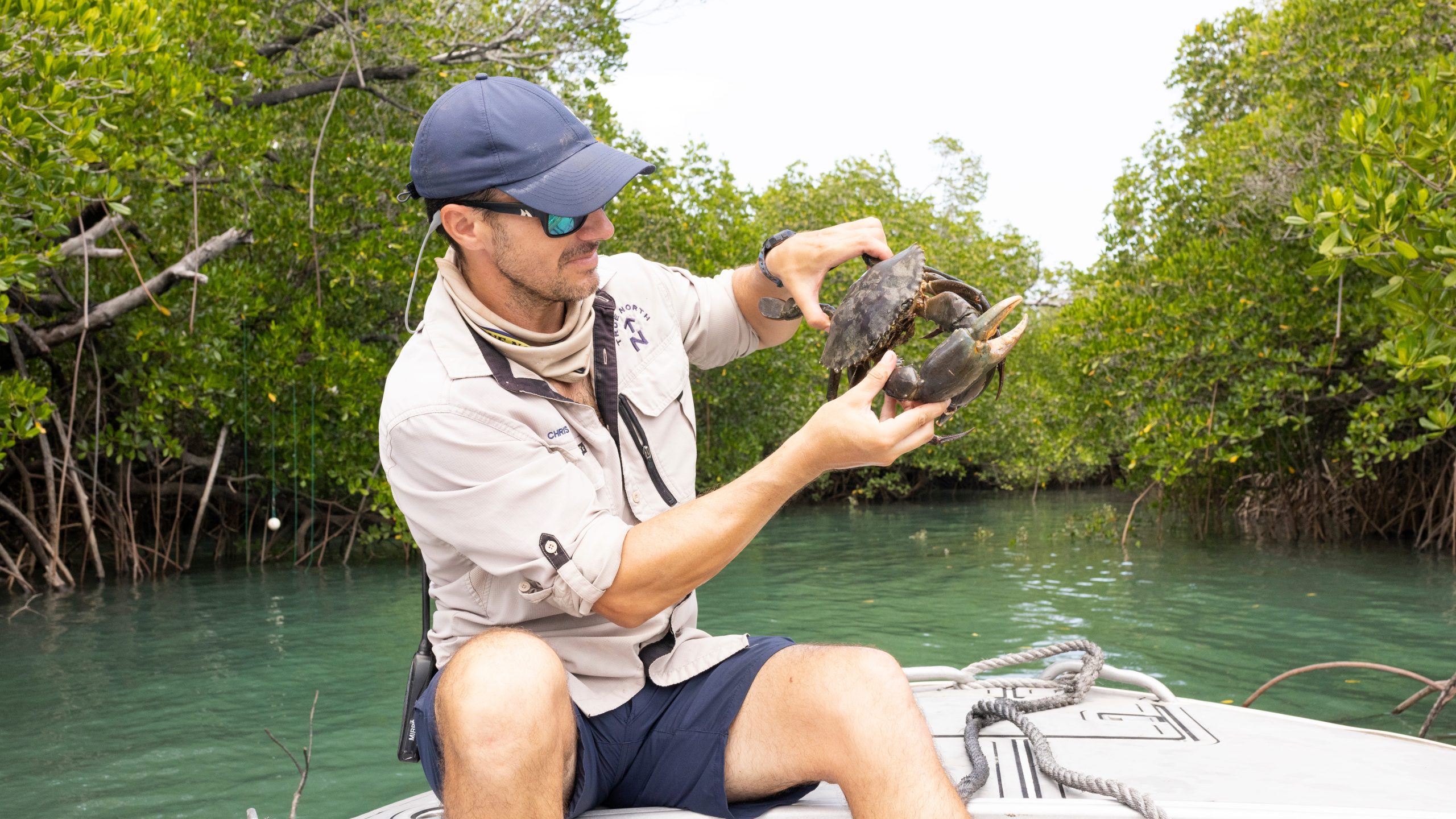
Photo: rue North crew member seated on a tender in a mangrove-lined creek, holding and examining a large crab, highlighting hands-on wildlife encounters and expert-led exploration during shoulder season travel.
You might watch whales moving along the southern coastline. Not as a short sighting that quickly passes you by, but as part of a broader migration. You might notice birdlife settling into nesting areas, or marine life becoming more active in clear, settled conditions.
That timing changes how the experience unfolds in front of you. You’re no longer just catching a moment in passing, you have the opportunity to stay with it. To watch behaviour as it develops, and to notice the details you would otherwise miss.
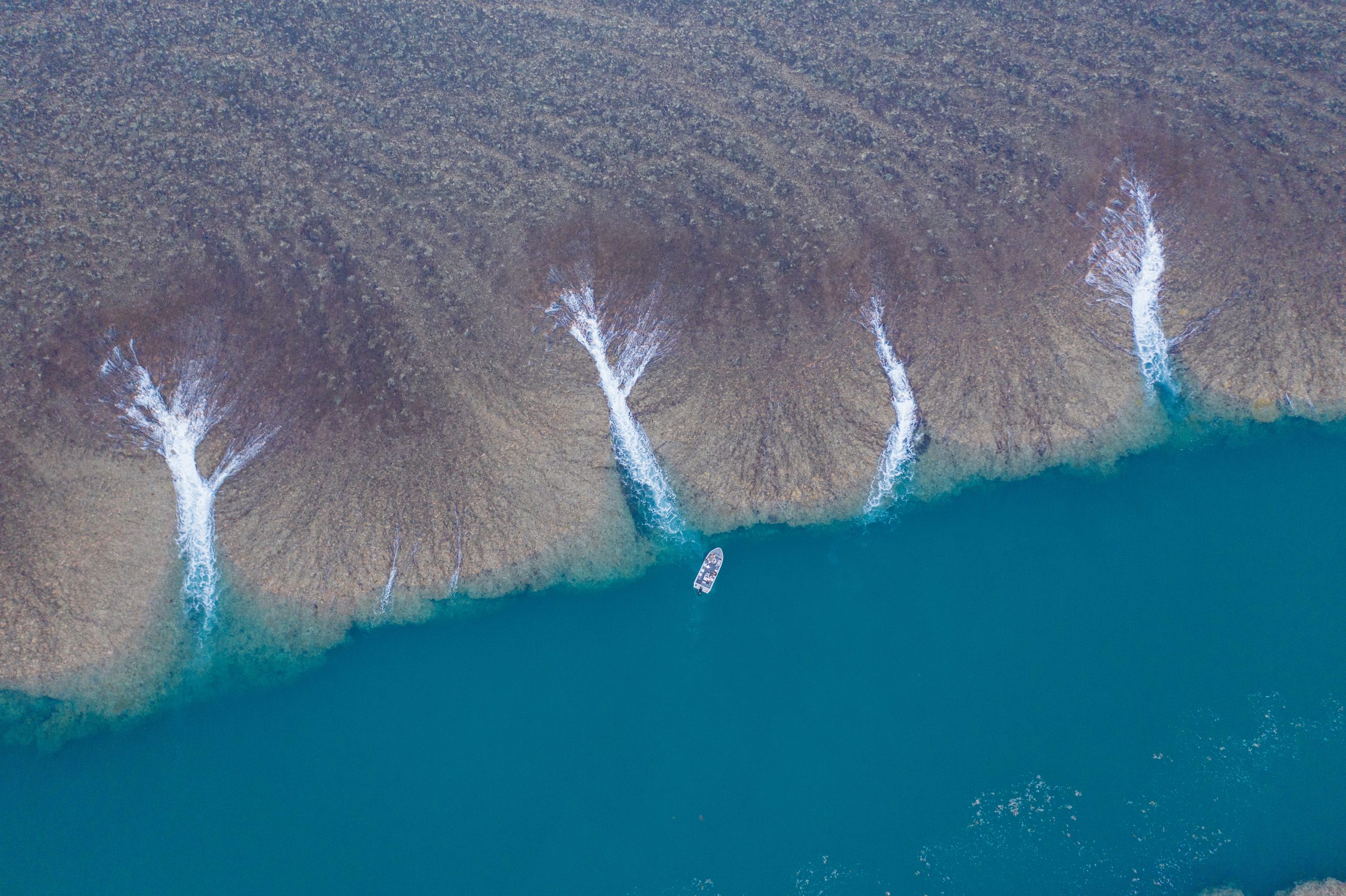
Photo: Aerial view of a True North adventure boat navigating along Montgomery Reef, where waves break in white patterns against shallow coral formations and meet calm, deep blue water, illustrating remote coastal exploration in pristine conditions.
Without the intensity of peak season, the journey takes on a more fluid rhythm. There is space to pause, to extend a moment, or to follow a sighting as it unfolds rather than moving on to meet a fixed schedule. The experience becomes less about progression and more about presence.
On a small ship, this flexibility is felt throughout the day—whether that means lingering in a quiet anchorage, returning to a location that invites further exploration, or simply allowing time for the landscape to reveal itself more gradually. Guided by conditions rather than constraint, the journey becomes more intuitive, creating a deeper, more considered connection to place.
In peak periods, iconic locations often carry a sense of shared discovery, while shoulder season allows more time and space to experience them at a different pace; more time at key sites, fewer time pressures, and a greater chance to experience well-known locations in relative solitude.
The difference isn’t where you go, but how you experience it.
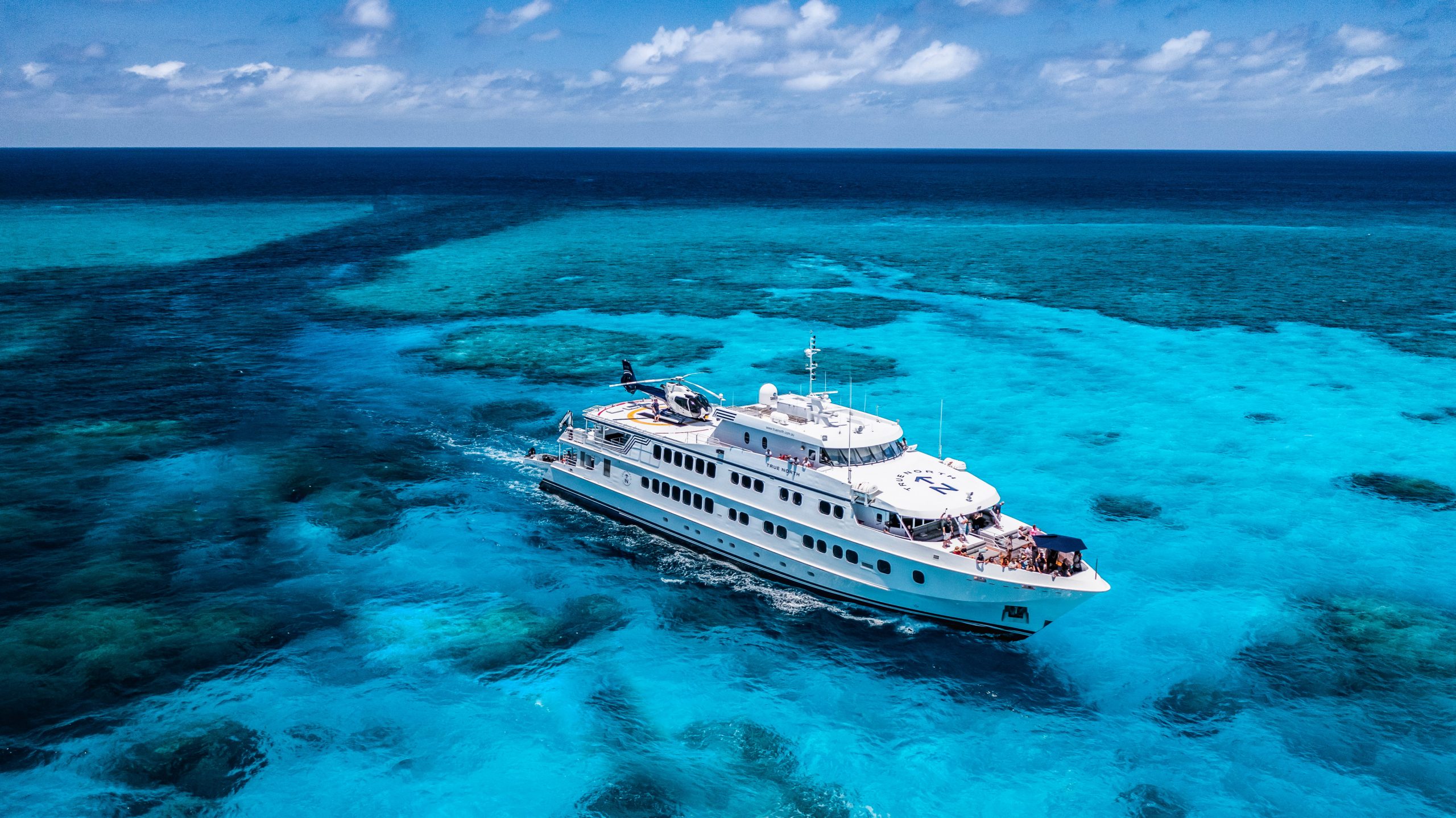
Photo: Aerial view of the True North sailing through clear turquoise waters over a coral reef, with a helicopter on deck, illustrating the calm conditions and remote coastal exploration of shoulder season travel in Australia.
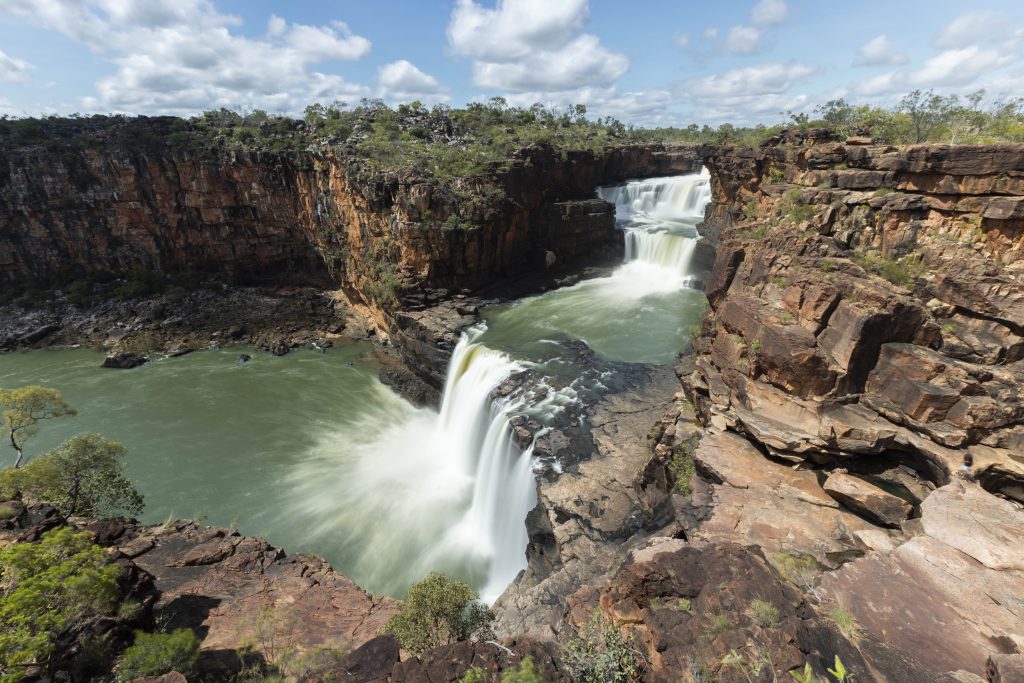
In the Kimberley, shoulder season brings a rare balance. Waterfalls continue to flow from the wet season, carving through ancient sandstone gorges, while wildlife remains highly active across river systems and coastal habitats. Crocodiles bask along the banks, birdlife gathers in abundance, and the region feels alive with movement.
With fewer vessels navigating these iconic waterways, locations like King George River and Mitchell Falls take on a quieter, more immersive character – allowing you to experience the scale and drama of the Kimberley with a greater sense of space.
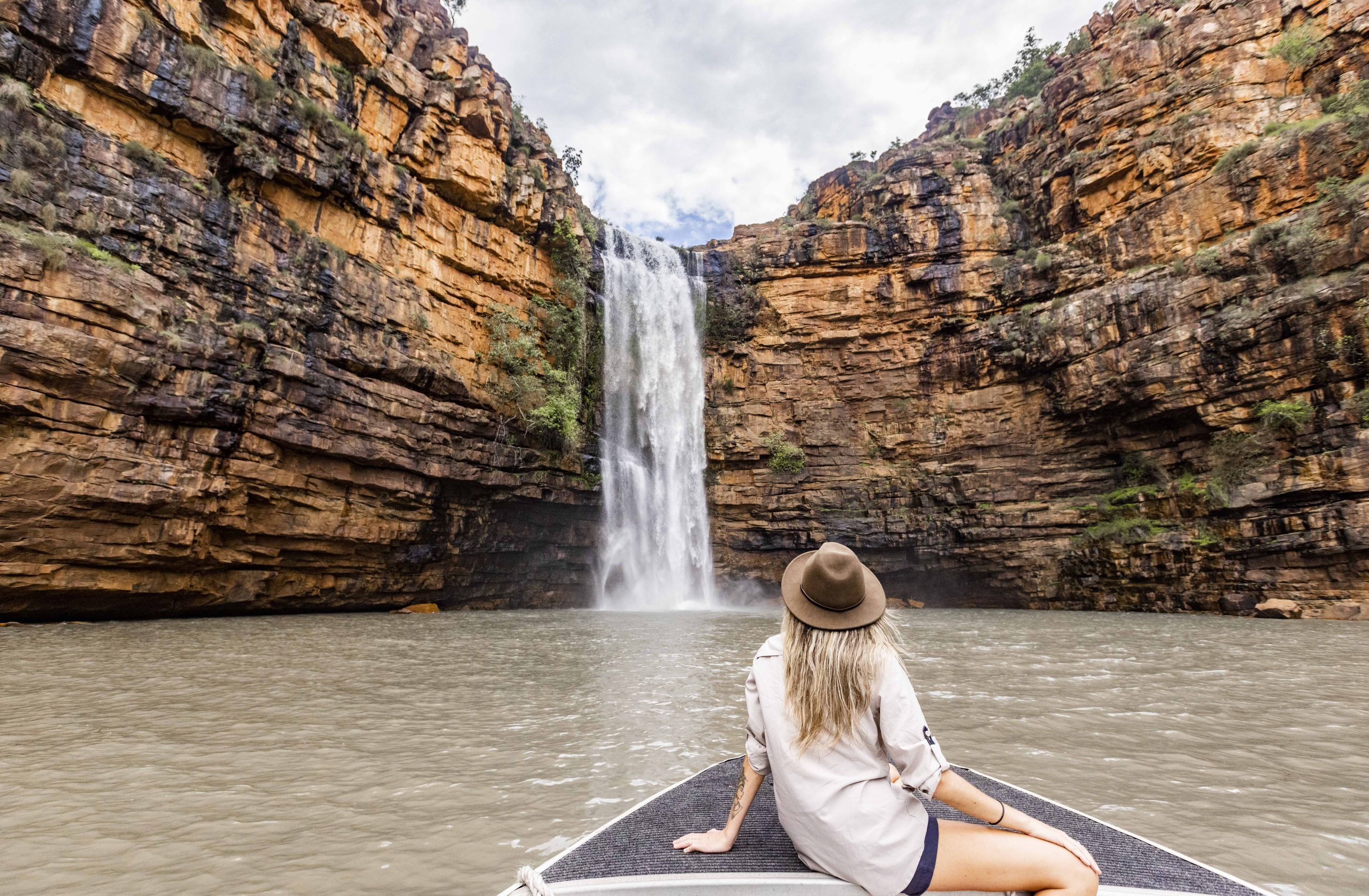
Photo: Guest seated on the bow of a tender facing a cascading waterfall within a sandstone gorge, capturing the immersive, close-access experiences made possible during shoulder season in the Kimberley.
On the southern coast, including the Recherche Archipelago, shoulder season reveals a landscape in sharp clarity. Granite islands rise from vivid turquoise water, beaches remain untouched, and the crisp air brings a clean, defined light to every horizon.
Marine life is active across these nutrient-rich waters, while the Southern Ocean – often perceived as formidable – settles into conditions that allow deeper exploration. The result is a coastline that feels both wild and accessible, offering a rare opportunity to experience this remote region at its most balanced.
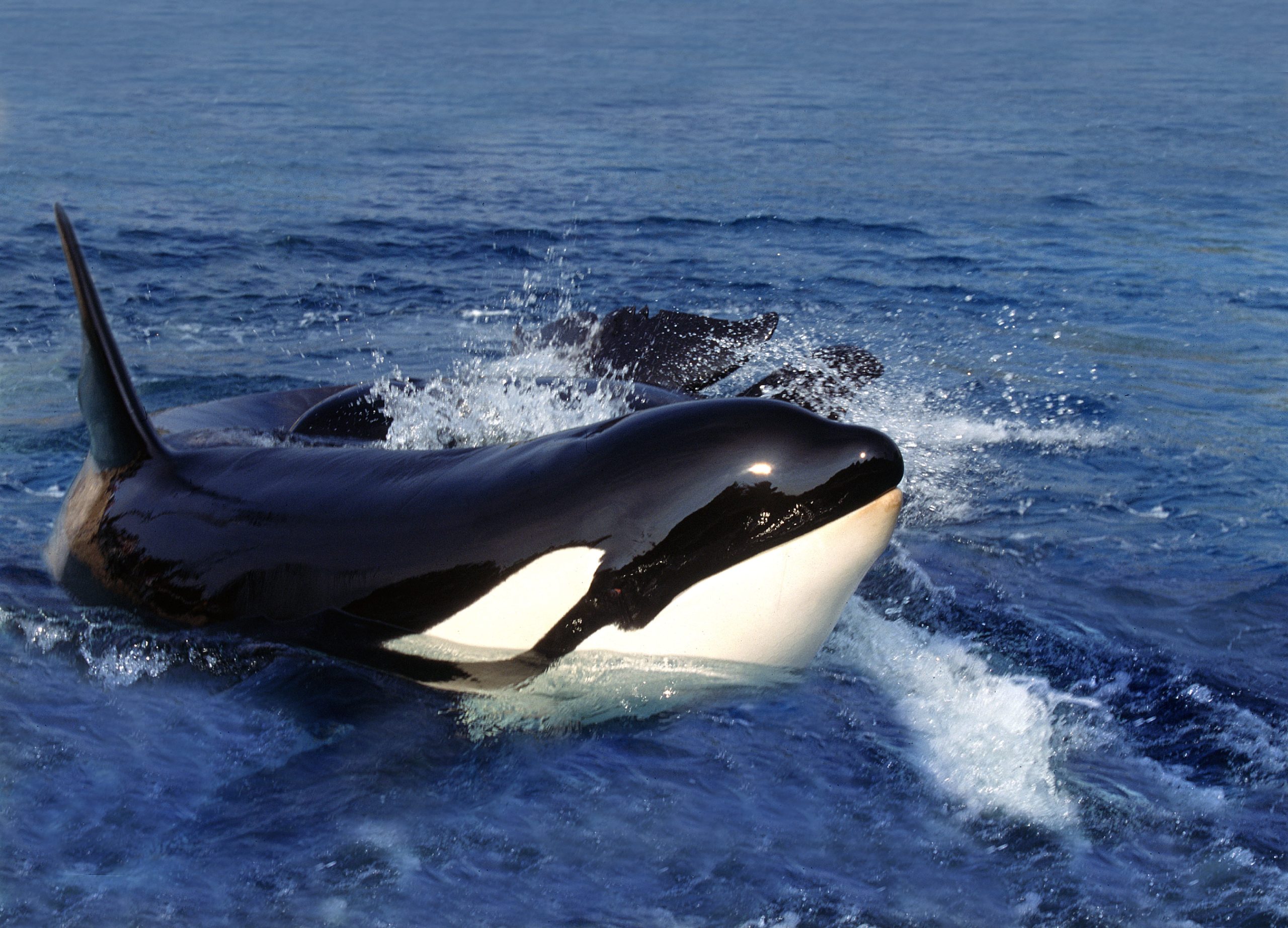
Photo: Orca surfacing through clear blue ocean water, its black-and-white body cutting through gentle waves, capturing powerful and close-range wildlife encounters during shoulder season travel.
Along the Coral Coast, shoulder season offers exceptional marine encounters in clearer, less crowded conditions. Depending on timing, this is when whale sharks and humpback whales move through the region, creating powerful, often close-range experiences.
With fewer travellers in the water, interactions feel more natural and less hurried. Combined with excellent visibility and calm conditions, it’s a time when the reef and open ocean reveal their full depth – unfolding in a way that feels both intimate and uncontrived.
These aren’t just destinations experienced at their best, but journeys shaped by when and how you choose to explore them. Each season reveals something different, whether it’s the energy and vibrancy of peak travel, or the space, balance, and flexibility found in the shoulder months.
Seasoned travellers understand this instinctively. It’s not only about where you go, but when you arrive, and how deeply you’re able to engage with the place.
This is where True North’s small ship expeditions come into their own. In shoulder season, there’s greater freedom to move with the conditions, to linger a little longer, and to experience each moment as it naturally unfolds – while peak season offers its own defining highlights and sense of occasion.
Explore our small ship cruises and upcoming departures and discover how the right season can transform your experience of Australia’s most remote coastlines.
Shoulder season sits just beyond peak travel periods, offering a quieter window when conditions remain favourable and the pace of travel begins to ease.
Each season offers a distinct experience. Peak season brings energy and well-defined highlights, while shoulder season introduces a quieter rhythm, with more space, flexibility and time to engage more deeply with each location.
In many regions, shoulder season brings stable, workable conditions, often striking a natural balance that allows for consistent and comfortable exploration.
Wildlife is present throughout the year, however shoulder season often aligns with periods of increased activity, where migration, breeding and feeding patterns create more dynamic and engaging encounters.
Yes, particularly when exploring by small ship. In many cases, shoulder season conditions allow for continued access to remote coastlines, sheltered bays and offshore locations.
Shoulder season suits those drawn to a more flexible, immersive style of travel, where the journey unfolds at a quieter pace. For others, peak season offers its own sense of energy and occasion – both providing compelling ways to experience Australia’s remote coastlines.
Conditions can be more variable than in peak periods, which is part of what shapes the experience. With the right approach – and the flexibility of a small ship – this allows the journey to adapt to weather, wildlife and opportunity as it unfolds.
You know that feeling when you're at a crowded tourist attraction, jostling for space with hundreds of others, waiting in line for what feels like forever, and you think, ‘There has to be a better way to trav...
Read more
Few places on Earth spark the imagination quite like the Great Barrier Reef. Stretching for thousands of kilometres along Australia’s northeast coast, it’s a destination that has lured explorers, divers and...
Read more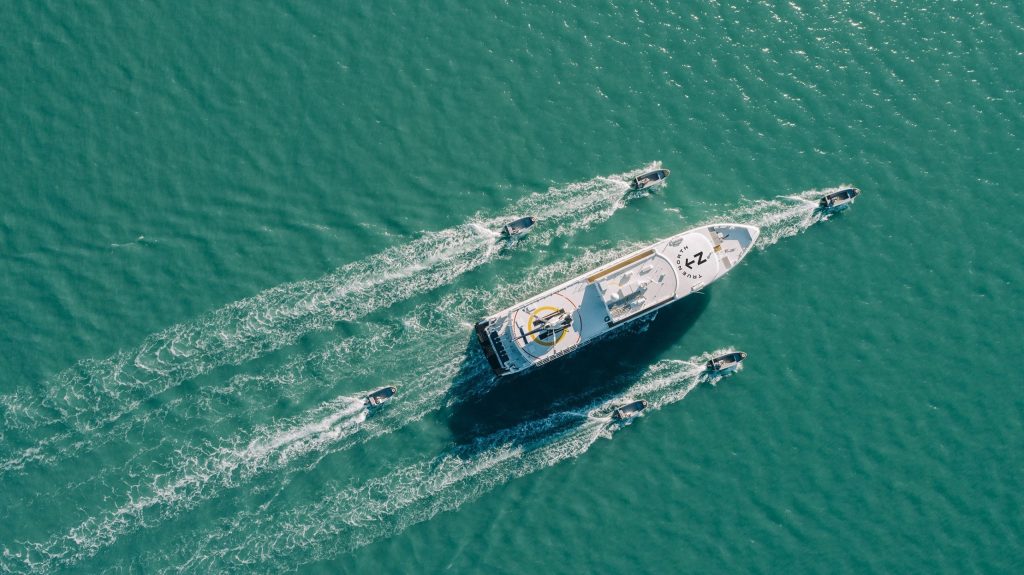
The sun hasn't been up for an hour, and you're already standing in a 6-metre runabout, coffee in hand, watching a saltwater crocodile slide off a muddy bank into the mangroves.
Read more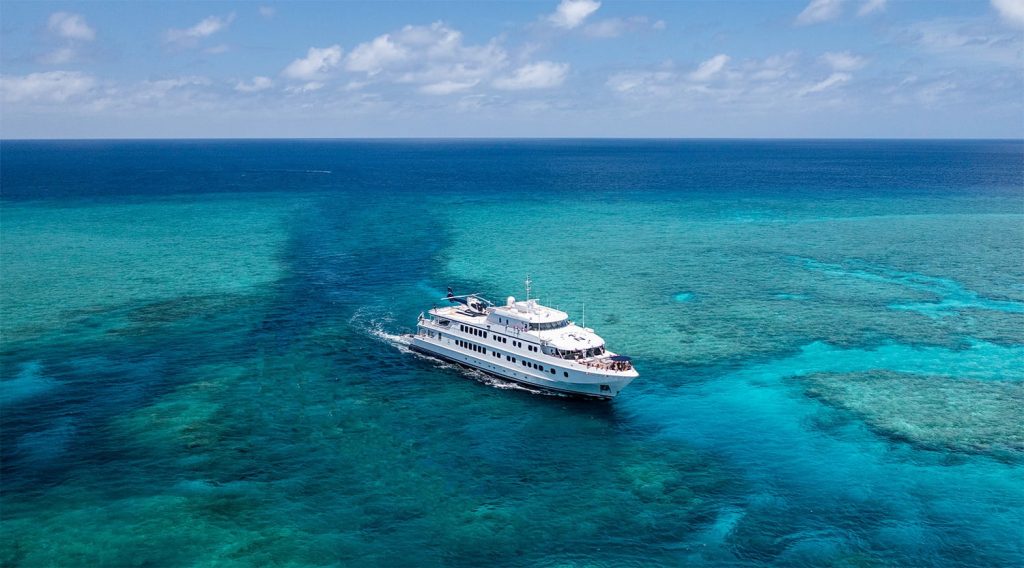
Private yachts may seem like they promise total freedom and unmatched luxury, but the reality is more complicated. If you're choosing between a yacht charter and an adventure cruise, you're not comparing apples...
Read more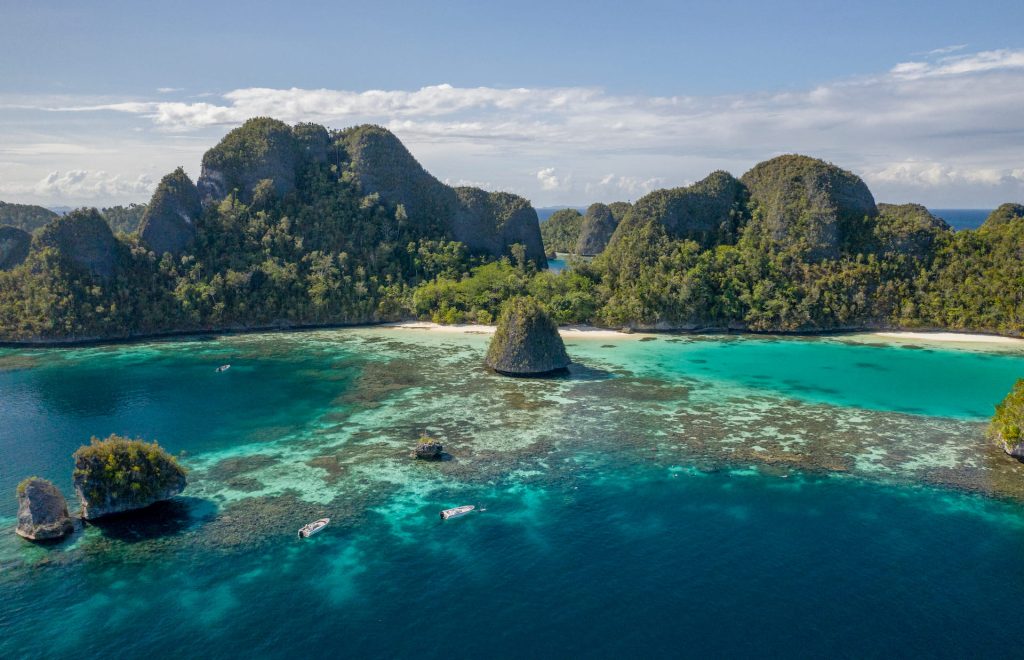
There’s a moment, somewhere between your first glimpse of turquoise water and the realisation of just how remote and untouched it feels, when you understand Raja Ampat isn’t just another tropical island group.
Read moreYou can see how this popup was set up in our step-by-step guide: https://wppopupmaker.com/guides/auto-opening-announcement-popups/
Please note that your consent will be valid across all our subdomains. You can change or withdraw your consent at any time by clicking the “Consent Preferences” button at the bottom of your screen. We respect your choices and are committed to providing you with a transparent and secure browsing experience.
| Cookie | Duration | Description |
|---|---|---|
| cookielawinfo-checkbox-analytics | 11 months | This cookie is set by GDPR Cookie Consent plugin. The cookie is used to store the user consent for the cookies in the category "Analytics". |
| cookielawinfo-checkbox-analytics | 11 months | This cookie is set by GDPR Cookie Consent plugin. The cookie is used to store the user consent for the cookies in the category "Analytics". |
| cookielawinfo-checkbox-functional | 11 months | The cookie is set by GDPR cookie consent to record the user consent for the cookies in the category "Functional". |
| cookielawinfo-checkbox-functional | 11 months | The cookie is set by GDPR cookie consent to record the user consent for the cookies in the category "Functional". |
| cookielawinfo-checkbox-necessary | 11 months | This cookie is set by GDPR Cookie Consent plugin. The cookies is used to store the user consent for the cookies in the category "Necessary". |
| cookielawinfo-checkbox-necessary | 11 months | This cookie is set by GDPR Cookie Consent plugin. The cookies is used to store the user consent for the cookies in the category "Necessary". |
| cookielawinfo-checkbox-others | 11 months | This cookie is set by GDPR Cookie Consent plugin. The cookie is used to store the user consent for the cookies in the category "Other. |
| cookielawinfo-checkbox-others | 11 months | This cookie is set by GDPR Cookie Consent plugin. The cookie is used to store the user consent for the cookies in the category "Other. |
| cookielawinfo-checkbox-performance | 11 months | This cookie is set by GDPR Cookie Consent plugin. The cookie is used to store the user consent for the cookies in the category "Performance". |
| cookielawinfo-checkbox-performance | 11 months | This cookie is set by GDPR Cookie Consent plugin. The cookie is used to store the user consent for the cookies in the category "Performance". |
| viewed_cookie_policy | 11 months | The cookie is set by the GDPR Cookie Consent plugin and is used to store whether or not user has consented to the use of cookies. It does not store any personal data. |
| viewed_cookie_policy | 11 months | The cookie is set by the GDPR Cookie Consent plugin and is used to store whether or not user has consented to the use of cookies. It does not store any personal data. |