How Expedition Cruising Increases Resilience
Published on 22 Apr 2026
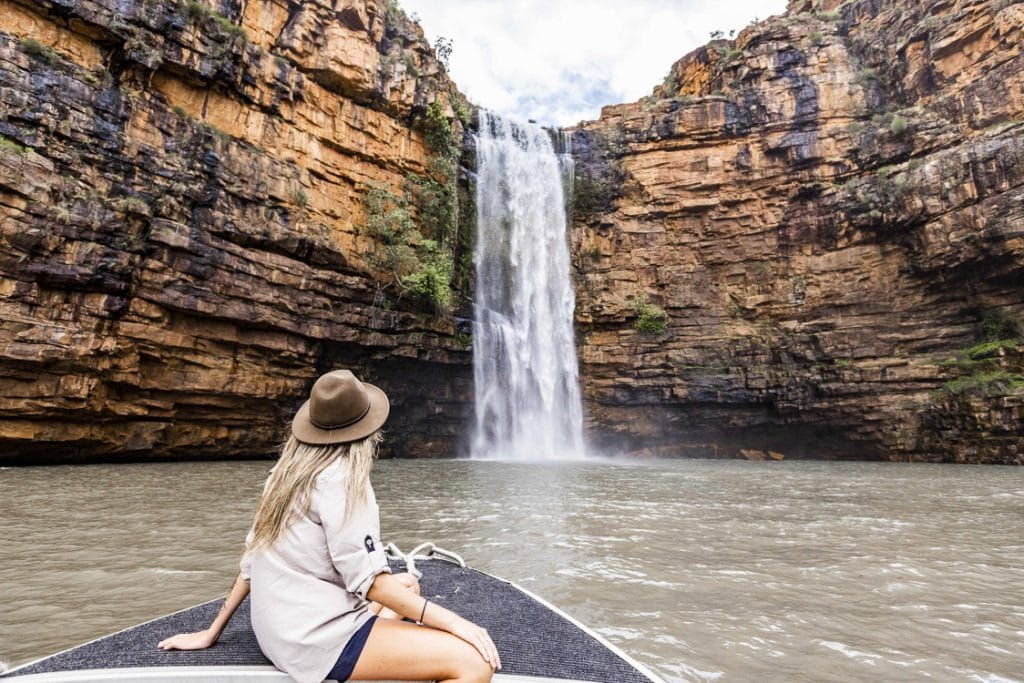
There comes a point in travel where comfort alone is no longer enough. Not because it loses its appeal, but because it no longer feels meaningful.
You’ve experienced the world’s great hotels. You’ve dined well, travelled widely and stayed in places where everything runs exactly as planned. Yet more and more, seasoned travellers find themselves asking a deeper question: not simply where will this journey take me, but who will I be when I return?
That question points to something beyond relaxation. It points to growth. The most rewarding journeys are often the ones that ask something of you, that draw you into environments larger than your routines and rhythms, and that quietly expand your sense of capability.
Expedition cruising does exactly that. It invites you into landscapes that cannot be choreographed, while surrounding you with the experience required to navigate them well.
And in that balance, something shifts.
Many experts point to novelty and uncertainty as powerful drivers of resilience. When we step outside of our familiar environment, the brain becomes more alert and receptive to learning. You start noticing details you’d normally miss, thinking faster on your feet, and learning to adapt instead of sticking rigidly to what you know.
Expedition cruising naturally creates that environment. In places like the Kimberley, Indonesia or Papua New Guinea, the landscape ultimately determines the day’s rhythm. The tides decide when you go ashore. The weather nudges the route one way or another. Wildlife shows up when it feels like it, not when it’s scheduled to. Every day feels dynamic because it genuinely is.
That kind of fluidity keeps you present. Plans shift. Conditions evolve. Instead of following a tightly choreographed script, you begin to move with the environment. And somewhere along the way, something subtle changes: you stop needing everything to go exactly as planned. Rather, you become more comfortable adjusting, adapting and leaning into what’s in front of you. That is resilience in action.

Photo: Snorkelers
Resilience isn’t built by making things harder than they need to be. It grows when you immerse yourself in landscapes that move to their own pace, supported by experts who understand exactly how to work with them.
Unlike mass-market travel, where every moment is fixed long before departure, expedition cruising is designed around natural rhythms. Tides, light, weather and seasonal conditions shape how each day unfolds. The itinerary is carefully planned, but it remains responsive to what the landscape is offering at its best.
On a True North expedition, that responsiveness is grounded in long-standing regional knowledge. The crew understand these tides and waterways intimately, and the guides know how to read conditions with confidence. This allows you to focus on the experience itself without needing to second-guess the logistics behind it.
Spending time in environments that move to their own rhythm doesn’t just sharpen adaptability. It also changes how you experience stress itself.
Research has shown that time spent in natural environments can measurably influence how the brain processes stress, helping quiet the mental loops that often accompany modern life. Surrounded by open horizons, ancient rock formations and uninterrupted skies, the mind begins to slow its usual rhythm. Perspective widens, mental clutter softens, and attention shifts outward to the scale and beauty of the landscape. In simple terms, nature creates breathing room for the mind.
Expedition cruising places you squarely in environments where scale is impossible to ignore. Towering escarpments rise from tidal rivers that have surged for millennia. Horizons stretch without interruption. Night skies appear immense and unpolluted, revealing just how small the everyday rush of modern life can be.
And it’s in those moments that urgency begins to recalibrate. Emails, deadlines and daily pressures begin to settle into their rightful place. You start responding to light, tide and weather instead of notifications and schedules.
That change builds resilience in a different way. It doesn’t remove stress entirely, but it changes your relationship to it, which helps ground you in something far steadier and far older than the pace of modern life.
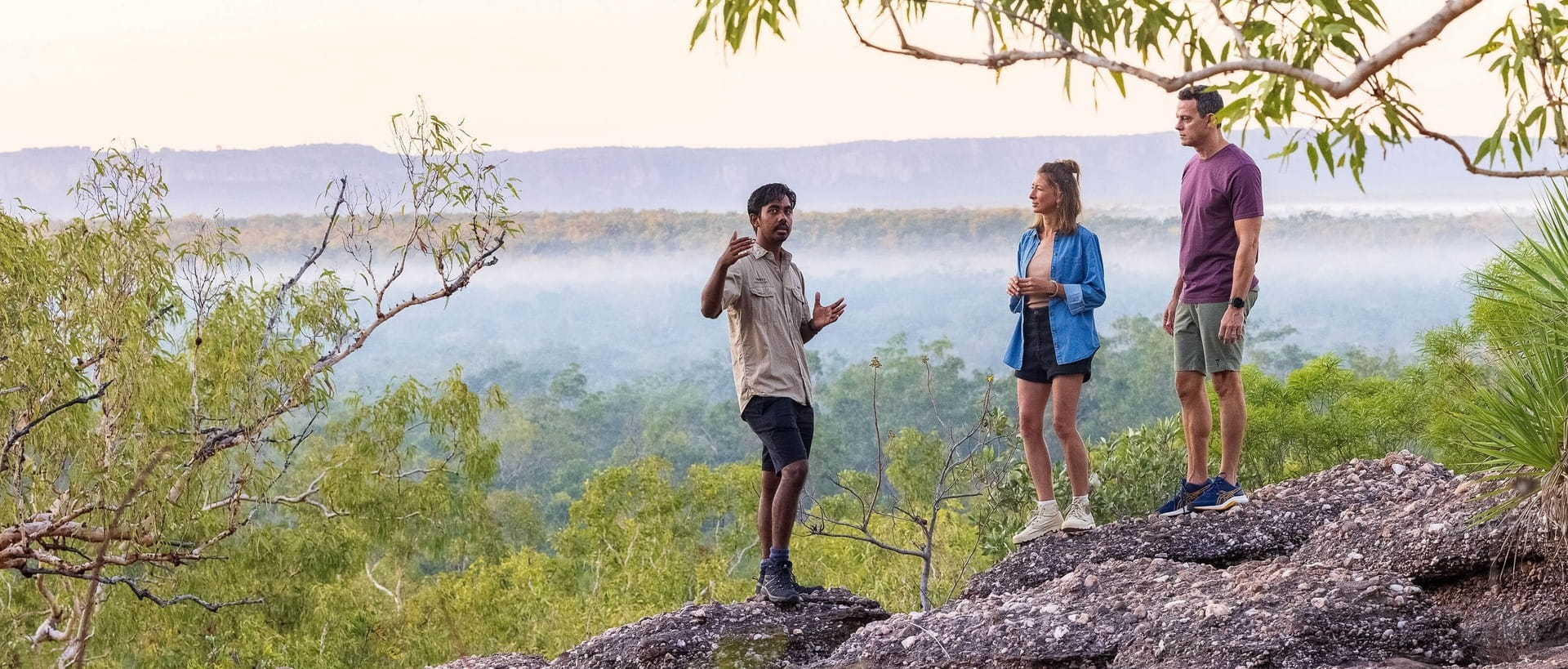
Photo: Guided Challenge
One of the most enduring forms of resilience is self-trust, which is the belief that you can respond effectively when circumstances change.
Travel experts often observe that navigating unfamiliar settings strengthens this instinct. Expedition cruising offers that growth in a refined and carefully supported way. For example, you might explore a coastline unreachable by road, engage with cultures in remote communities, or adjust plans based on environmental conditions.
With experienced professionals guiding each step, you are encouraged to lean into the unfamiliar rather than retreat from it. And, over time, this builds confidence and adaptability. You learn to remain composed when plans evolve, and you discover that you are more adaptable than you assumed.
Resilience doesn’t arrive all at once. It takes shape in those repeated moments where you learn to trust your ability to adjust, respond and move forward with composure.
For many experienced travellers, the definition of luxury has shifted. It is no longer measured solely by thread counts, tasting menus or seamless transfers. Those elements are already expected. What holds real value now is how a journey leaves you feeling once it’s over.
Expedition cruising offers something that cannot be photographed or neatly summarised in an itinerary. It offers something deeper than relaxation. Time spent navigating remote coastlines and responding to changing conditions builds a quiet sense of capability that remains. After days spent navigating remote coastlines, responding to changing conditions and immersing yourself in environments that operate far beyond the pace of modern life, you return home with a steadier internal rhythm.
For travellers who have already experienced the world’s iconic destinations, this is where expedition cruising becomes transformative. It is an investment in experiences that sharpen clarity, strengthen adaptability and deepen self-trust.
In that sense, resilience becomes the most enduring souvenir of all. Long after the voyage ends, it continues to shape how you move through the world.
True North has spent decades navigating some of the most remote coastlines in Australia and beyond. Each itinerary is shaped not only by access and adventure, but by the understanding that meaningful travel should expand you as much as it restores you.
If you’re ready to experience landscapes that challenge perspective, encourage adaptability and build confidence, explore True North’s upcoming expeditions and discover what resilience feels like when it’s earned through experience.
Expedition cruising is designed to be engaging, not exhausting. Activities are guided and optional, with varying levels of intensity depending on the destination and conditions.
Guests can choose to hike, fish, snorkel or explore ashore, or simply take in the landscape from the deck. The goal is meaningful participation rather than physical endurance, allowing challenge to feel invigorating rather than overwhelming.
Resilience does not require years of training to shift. Even short periods spent navigating unfamiliar environments can interrupt habitual stress patterns and build adaptability.
When you spend days adjusting to tides, weather and evolving plans, you begin exercising flexibility in real time. That repeated exposure, even within a single expedition, can meaningfully reshape how you respond to change.
Many travellers who value structure discover that expedition cruising offers a different kind of reassurance. While daily plans may adapt to natural conditions, the overarching framework is steady and professionally managed. Meals, accommodation and safety standards remain consistent, while the experiences themselves remain dynamic. This balance often builds confidence rather than discomfort.
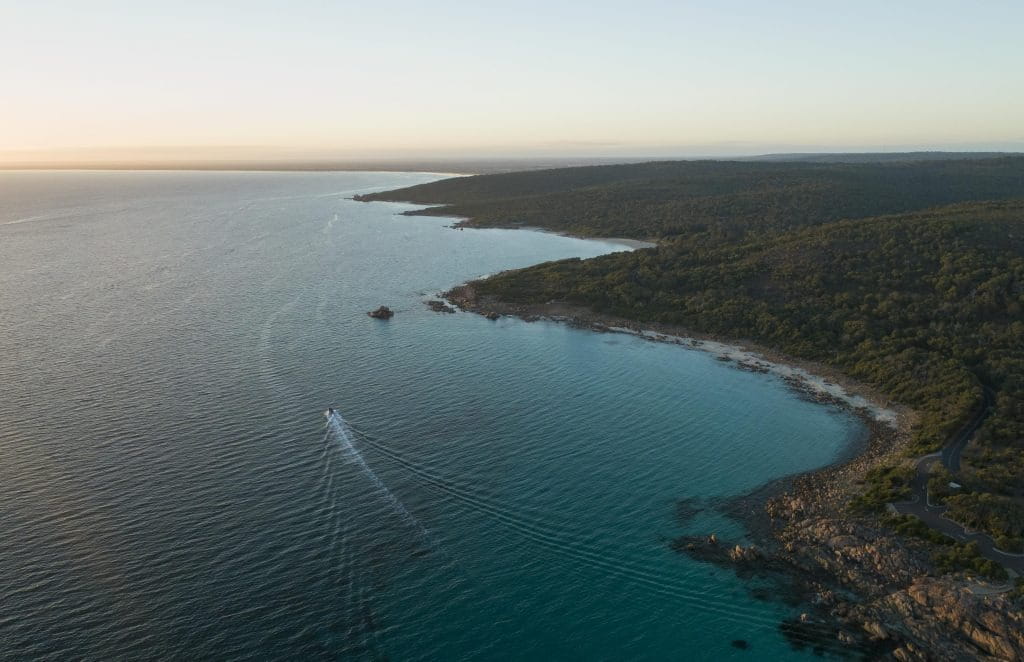
There are moments in travel that feel bigger than any single destination. Moments that are shaped not by the map beneath your feet, but by the sky above you.
Read more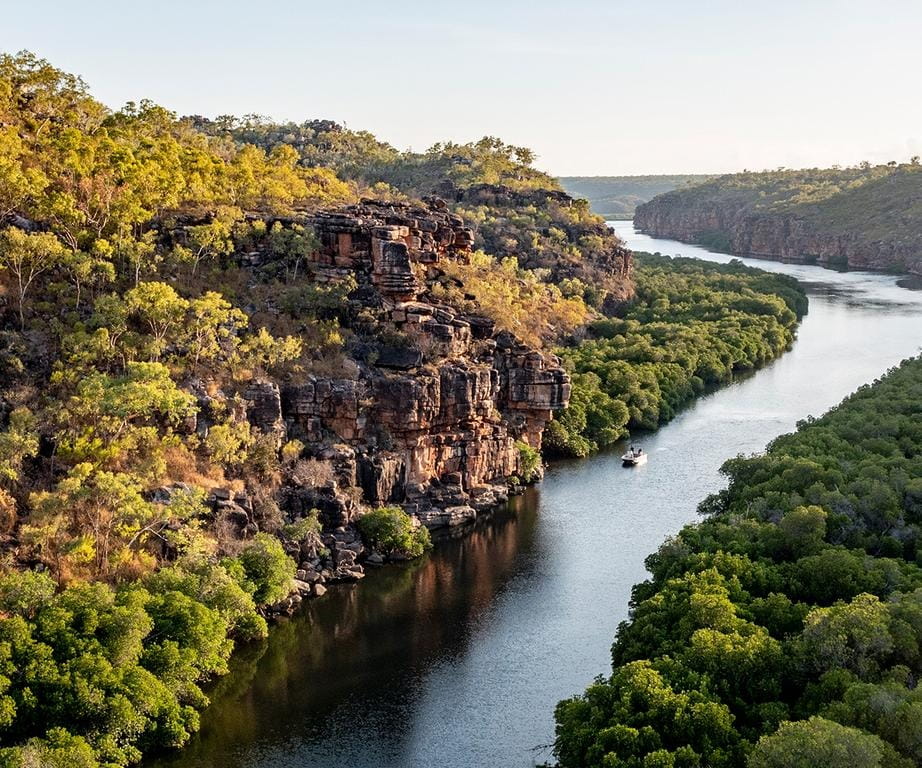
After decades chasing great water, many experienced fishers notice their priorities changing. It stops being about collecting famous destinations or casting into water you’ve already seen splashed across maga...
Read more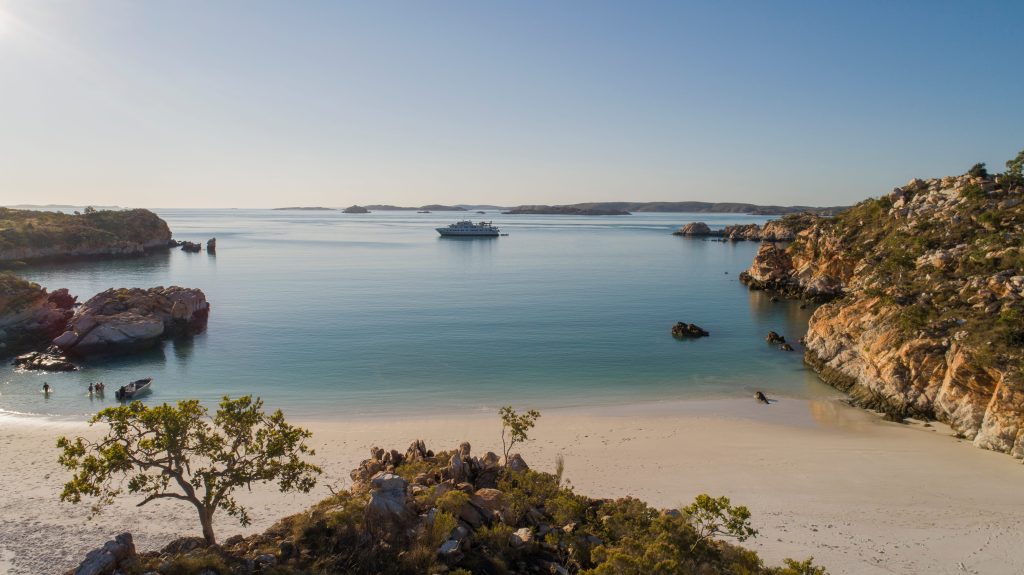
Luxury travel is evolving, with greater emphasis on experience and access. In 2026, travellers are no longer chasing shiny excess or ticking off famous bucket list sights just because they’re popular. Instead...
Read more
Travelling solo offers a rare kind of focus. There are no compromises to negotiate, no competing preferences to consider. Just time, space and a destination that invites deeper attention.
Read more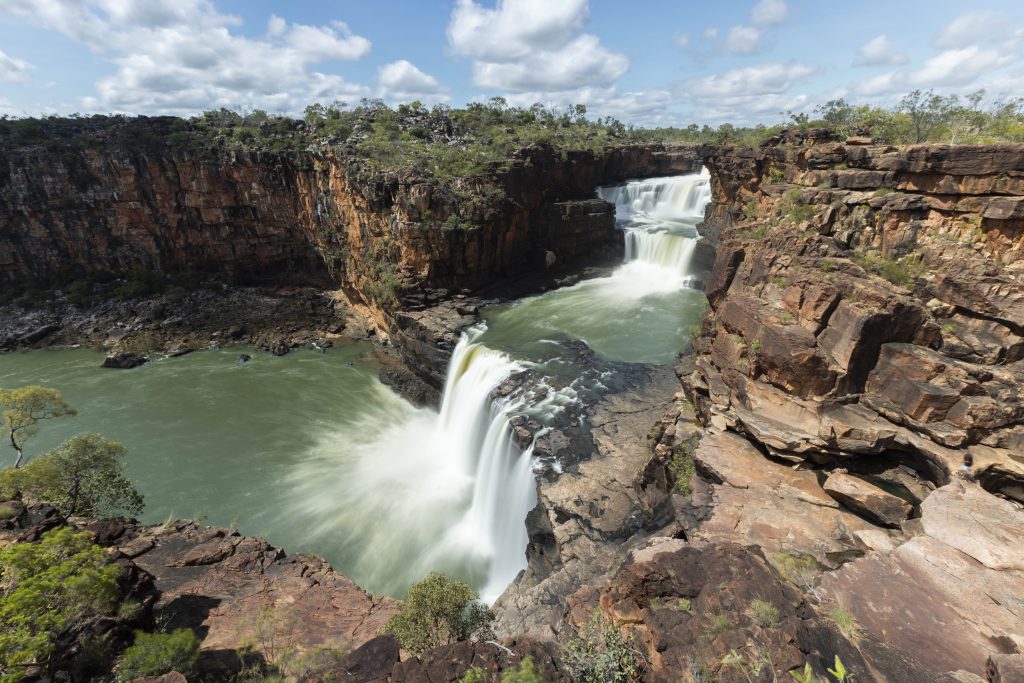
You know that feeling when you're at a crowded tourist attraction, jostling for space with hundreds of others, waiting in line for what feels like forever, and you think, ‘There has to be a better way to trav...
Read more